Virtual Pre-Conference Sessions
Coaching with Strengths
September 18: 9:00 am to 11:30 am PDT
Speakers:
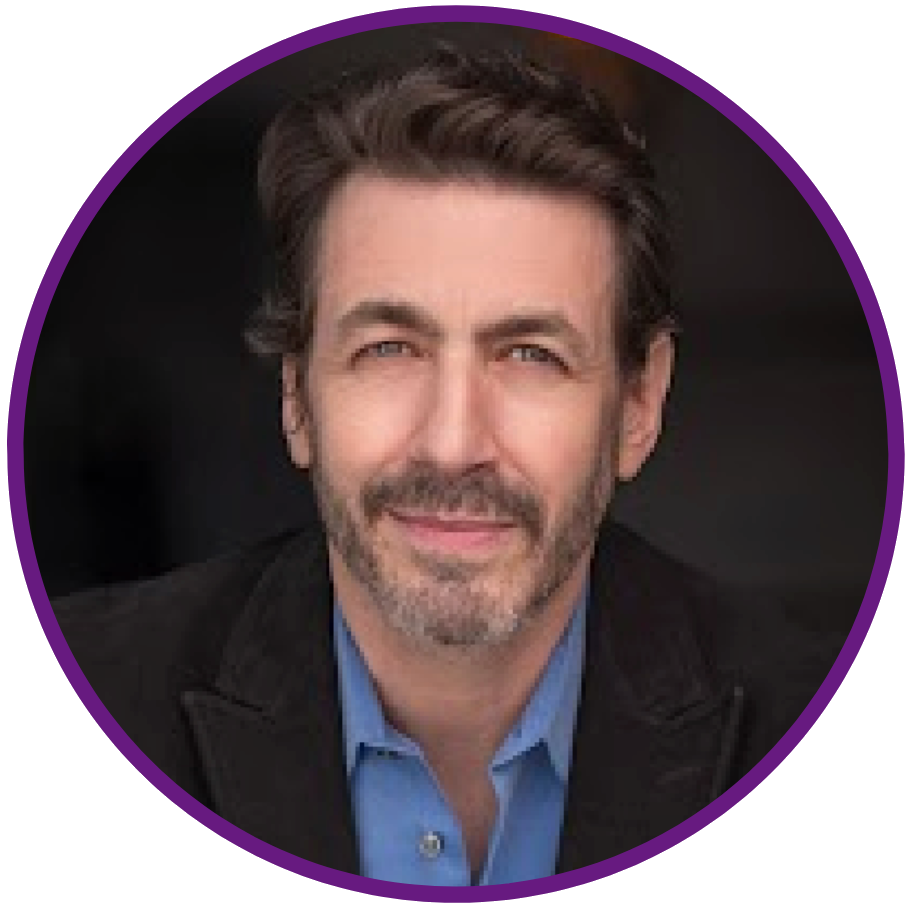
Robert Biswas-Diener
PhD, PCC
Robert Biswas-Diener
PhD, PCC
Dr. Robert Biswas-Diener is a social psychologist known as the “Indiana Jones of Positive Psychology” because his studies on wellbeing have taken him to such far-flung places as Greenland, India, Kenya, and Israel. His prize-winning research is on wide-ranging topics including happiness, culture, leadership, friendship, coaching, empathy, and hospitality. He has published more than 75 academic articles and is on the editorial board of the Journal of Positive Psychology, the Journal of Happiness Studies, and the Journal Coaching.
Dr. Biswas-Diener is a sought-after corporate trainer and consultant. He has presented to and worked with organizations including HSBC, Standard Charted Bank, Kaiser Permanente, Lululemon, Australia Department of Defense, AirBnB, Deloitte, and AARP. His cultural expertise enables him to tailor content to diverse audiences, and he has presented in 25 nations.
Robert is widely regarded as a pioneer of positive psychology coaching. In 2024, he was recognized by Thinkers50 as one of the 50 most influential executive coaches in the world. Thinkers50 nominated him for the Mentoring and Coaching Award in 2023 and 2025. In 2026, Robert served as a course-director at Harvard Medical Schools program, Coaching in Leadership and Health Care.
Robert is author of many books including Radical Listening (2025), Positive Provocation (2023), the New York Times best-selling The Upside of Your Dark Side (2014), and the PROSE Award-winning Happiness: Unlocking the mysteries of psychological wealth (2008).
Dr. Robert Biswas-Diener lives in Portland, Oregon where he spends his free time rock climbing, drawing architecture, and playing with his cat.
It is common for coaches to hold a positive view of their clients. Common wisdom dictates that we see clients as resourceful and capable. In this sense, coaching is an inherently strengths-oriented profession. That said, relatively few coaches have a background in strengths psychology or know how to use strengths most effectively in their work. This is evidenced by the fact that the most common approach to strengths coaching is "identify and use" in which coaches use a formal assessment to identify client strengths and then discuss how best to use those strengths. This approach endures, in part, because it is effective. Even so, there are more sophisticated ways to coach using strengths.
In this workshop, Dr. Robert Biswas-Diener will introduce state-of-the-art approaches to strengths coaching. Together we'll explore basic definitions and key concepts, as well as examine results from research on strengths coaching. From this foundation, Robert will discuss common obstacles to a strengths focus and offer practical suggestions for dealing with each. The workshop will conclude with participants expanding their strengths vocabulary and understanding of how their own strengths affect their coaching style.
Learning objectives:
- List two benefits of using strengths approaches in coaching, drawing from research.
- Discuss three common obstacles to focusing on strengths.
- Identify two distinct types of strengths overuse.
Unlocking Better Health Outcomes:
The Impact of Health Coaching in Team-Based Lifestyle Medicine
September 22: 11:00 am to 12:30 pm PDT
Speaker:
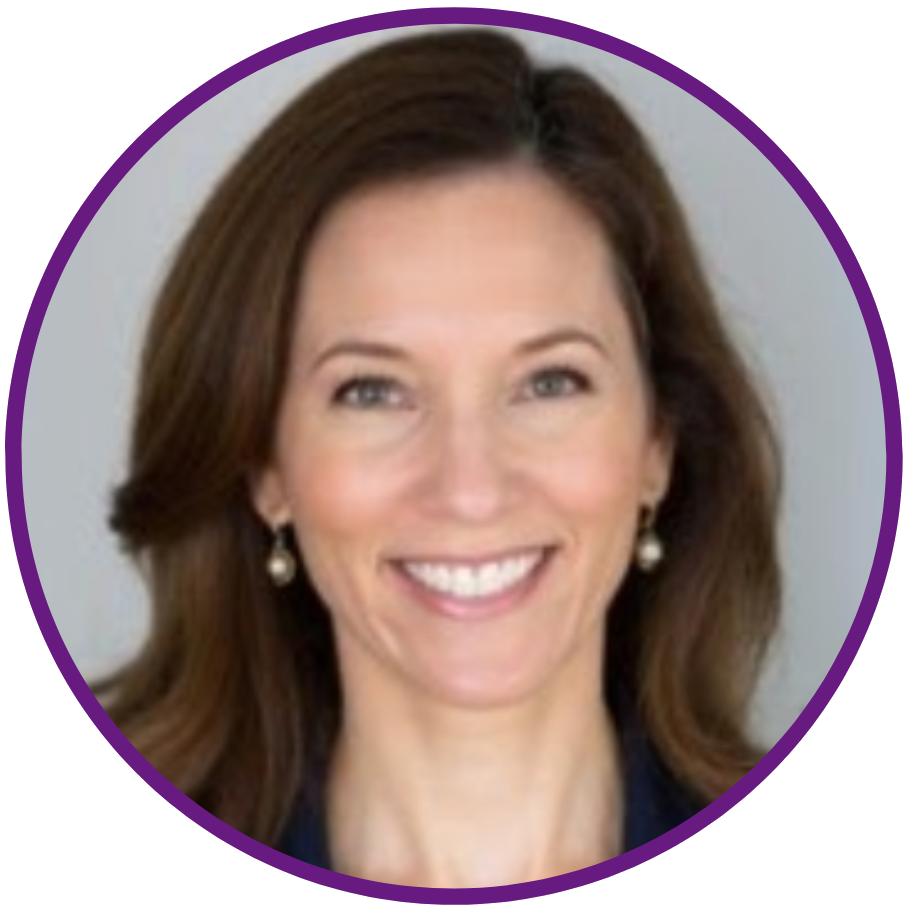
Kristi Artz
MD, MS, FACLM
Kristi Artz
MD, FACLM
Kristi Artz, MD, MS, FACLM is the Vice President of University Hospitals Connor Whole Health and the Christopher M. and Sara H. Connor Chair in Integrative Health. She is board certified in Emergency Medicine, Lifestyle Medicine and is a Certified Specialist in Culinary Medicine. Dr. Artz is a member of the Board of Directors and fellow of the American College of Lifestyle Medicine (ACLM) and board member of the National Board of Health and Wellness Coaching. Dr. Artz leads the clinical integration of health coaches into clinical care across the University Hospitals health system.
Dr. Artz earned her medical degree from Wayne State School of Medicine in Detroit and completed her residency in Emergency Medicine at the Hospital of the University of Pennsylvania. She holds a Master of Science in Population Health from Jefferson College of Population Health. She is a Blue Zones Certified Physician through the American College of Lifestyle Medicine. Dr. Artz was the 2022 inaugural recipient of the ACLM leadership award for Implementing Lifestyle Medicine in Health Systems.
As healthcare shifts toward value-based care, improving outcomes requires a team-based approach grounded in behavior change. Health and wellness coaches play a critical role in helping individuals translate clinical recommendations into sustained action.
This session examines how coaching aligns with value-based care and contributes to improved health outcomes within lifestyle medicine. Participants will identify the role of coaches on interdisciplinary teams and explore how coaching complements clinical care.
Through practical examples, attendees will learn strategies to integrate coaching into clinical settings, with a focus on collaboration, person-centered communication, and sustained behavior change. Participants will leave with actionable approaches to strengthen team-based care and advance outcomes with lifestyle medicine.
- Describe key principles of value-based care and their relevance to health and wellness coaching.
- Identify the role of health and wellness coaches within interdisciplinary lifestyle medicine teams to achieve better health outcomes.
- Apply strategies to integrate coaching into team-based care to support behavior change and improved outcomes
More Human with AI:
Real Results with AI in Your Business
September 23: 9:00 am to 10:30 am PDT
Speaker:
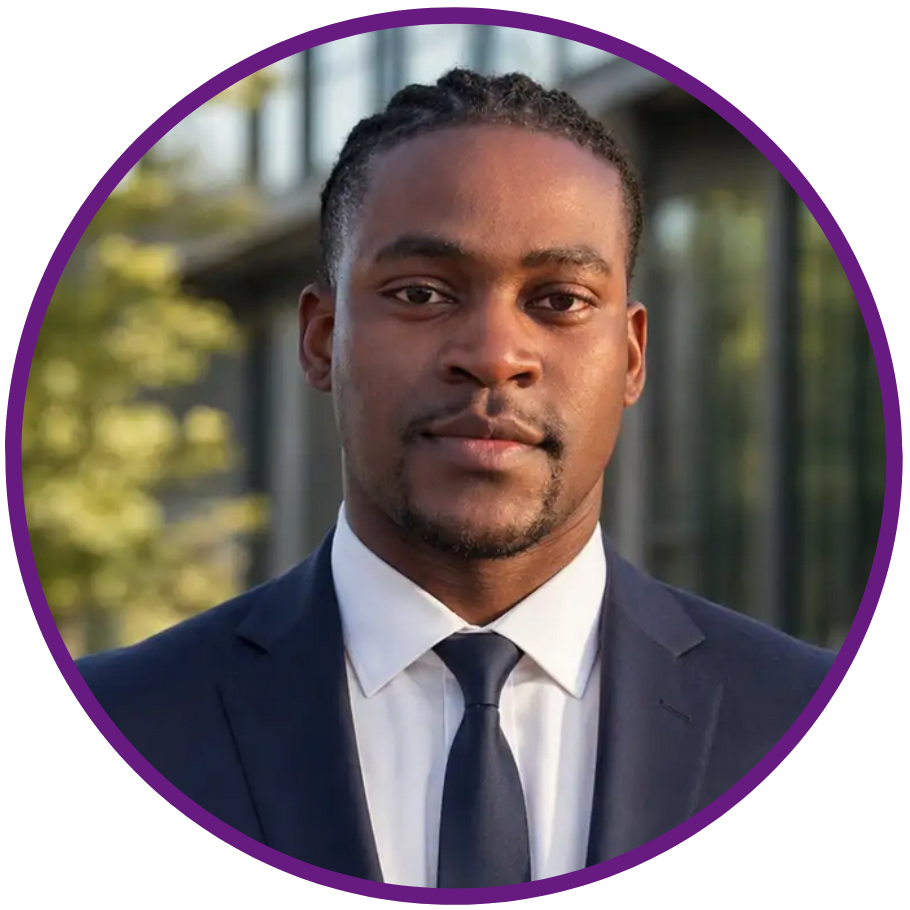
Tim Harrison
Tim Harrison
Tim Harrison is the founder and CEO of the Coaching Innovation Lab, on a mission to empower coaches to leverage AI effectively, authentically, and responsibly so they can increase their profits and impact. He was one of eight members of the ICF's Global Task Force on AI and currently serves as an advisor to the AI Coaching Coalition of North America, helping shape industry standards for responsible use.
Tim is a coach first. He pioneered the accessibility of coaching in education through his nonprofit EPOG Academy, which scaled an AI coaching solution to bridge guidance gaps for students who would not otherwise have it. He is also a coaching researcher, serving as lead consultant on Project BEACON, an NIH-backed study measuring the impact of coaching on
biomedical PhD students, and he is an Applied AI Strategy advisor working with leaders and organizations to integrate AI while developing the people using it. Through his Impact Accelerator programming, Tim has worked with hundreds of coaches, helping them move from awareness to results and build AI-native coaching businesses.
A two-time TEDx speaker, spoken word artist, and former Division I basketball player at Rice University, Tim brings enthusiasm and a dynamic background that he puts to work in unique ways, creating outcomes that drive impact for leaders, coaches, and organizations alike.
Most coaches hear two stories about AI— it will replace them, or it will rescue them. Both, however, miss the mark. In this engaging and practical workshop, we cut through the hype to show how AI, used with intention, gives coaches back their time and attention so they can do more of the deeply human work that drew them to this profession.
Drawing on real-world case studies— including an NIH research study on coaching for biomedical PhD students, scaling AI coaching for underserved youth through an education-based nonprofit, and his work with hundreds of solopreneur coaches through the Coaching Innovation Lab— Tim moves from theory into live demonstration and actionable strategies to help you meet this pivotal moment in our industry. You will see practical tools in action, learn a simple way to decide where AI belongs in your practice and where it does not, and leave with steps you can apply immediately.
The idea at the center of the session is simple: do what you do best, let AI do the rest. You will
walk away knowing how to spend more time in your zone of genius, and less on the work that
pulls you away from the people you serve.
Learning objectives:
- Apply the Genius Zone Matrix to decide where AI can mitigate your gaps and amplify your strengths.
- Identify tools and workflows that help you reclaim your time and get things done much faster.
- Apply practical, ready-to-use steps you can immediately put into action in your coaching practice.
September 25 Main Sessions
The Global State of Health Coaching:
Honoring the Past, Shaping the Future
3:30 pm to 5:00 pm PDT
Speakers:
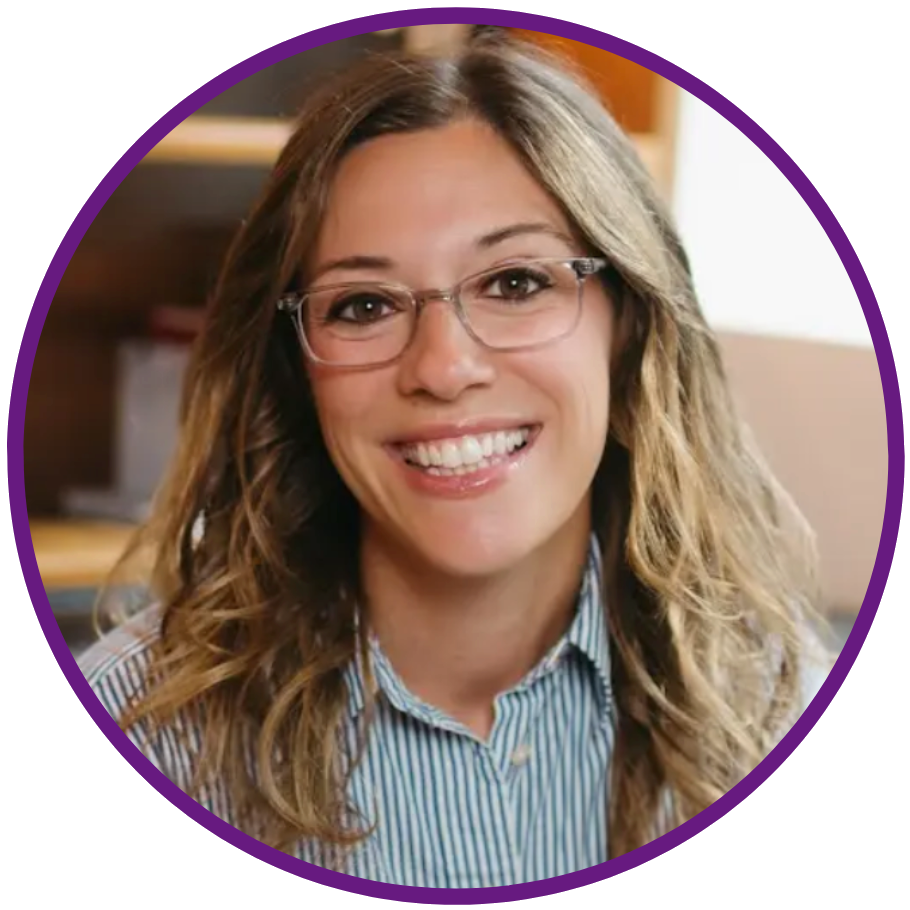
Deanna Fournier
Deanna Fournier
Deanna Fournier serves as Executive Director of the National Board for Health & Wellness Coaching (NBHWC), where she leads efforts to advance professional standards, education, and healthcare integration for the health and wellness coaching profession. Her background spans nonprofit leadership, healthcare advocacy, corporate learning and development, and talent strategy, bringing a cross-sector perspective to the evolving role of coaching in healthcare and wellbeing.
Throughout her career, Deanna has worked across healthcare and mission-driven organizations, developing expertise in behavior change, leadership development, patient engagement, chronic care support, and interdisciplinary collaboration. Her experience provides insight into how coaching is being integrated across healthcare systems, workplace wellbeing initiatives, and prevention-focused models of care.
As a health coach herself, Deanna is passionate about supporting the credibility, accessibility, and long-term impact of the profession while fostering collaboration across the broader healthcare and coaching ecosystem.
Sara Grimsgaard Noyes
MS, NBC-HWC
Sara Grimsgaard Noyes
MS, NBC-HWC
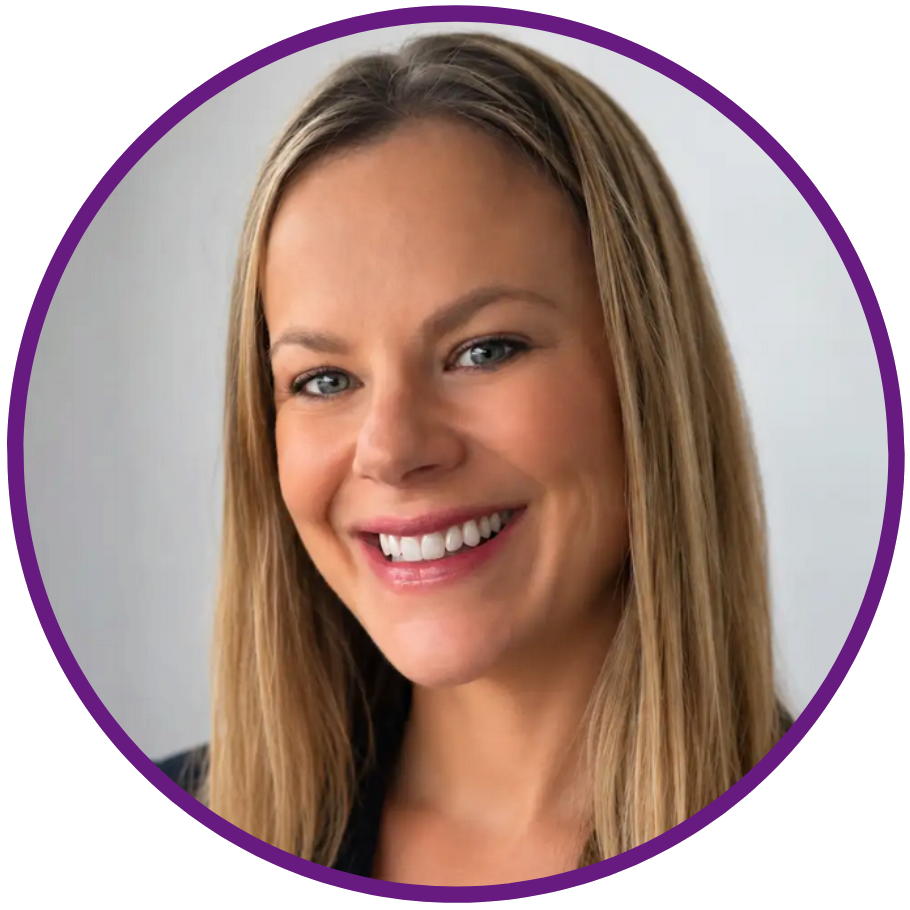
Sara Grimsgaard Noyes is a National Board Certified Health and Wellness Coach (NBC-HWC) and health systems professional dedicated to integrating whole-person care and coaching into clinical practice. As faculty, she leads initiatives that bring health and wellness coaches into everyday care settings — developing the standardized tools, performance plans, metrics and workforce frameworks that help establish coaching as a recognized, sustainable role within healthcare teams.
Her work spans program design, training, and quality improvement, with a focus on building the practical infrastructure that supports coaches and clinicians in working together effectively — improving communication, strengthening care partnerships, and creating more patient-centered experiences. Sara completed her coaching training through the Maryland University of Integrative Health and holds a master's degree in healthcare management systems, along with certificates in change management and Lean Six Sigma for Healthcare. Currently she serves on the board of directors for the National Board for Health & Wellness Coaching (NBHWC).
What brings her the most joy — and keeps her grounded — are her two daughters, ages two and three, who fill her days with curiosity, chaos, and a lot of laughter.
Izabella Natrins
Izabella Natrins
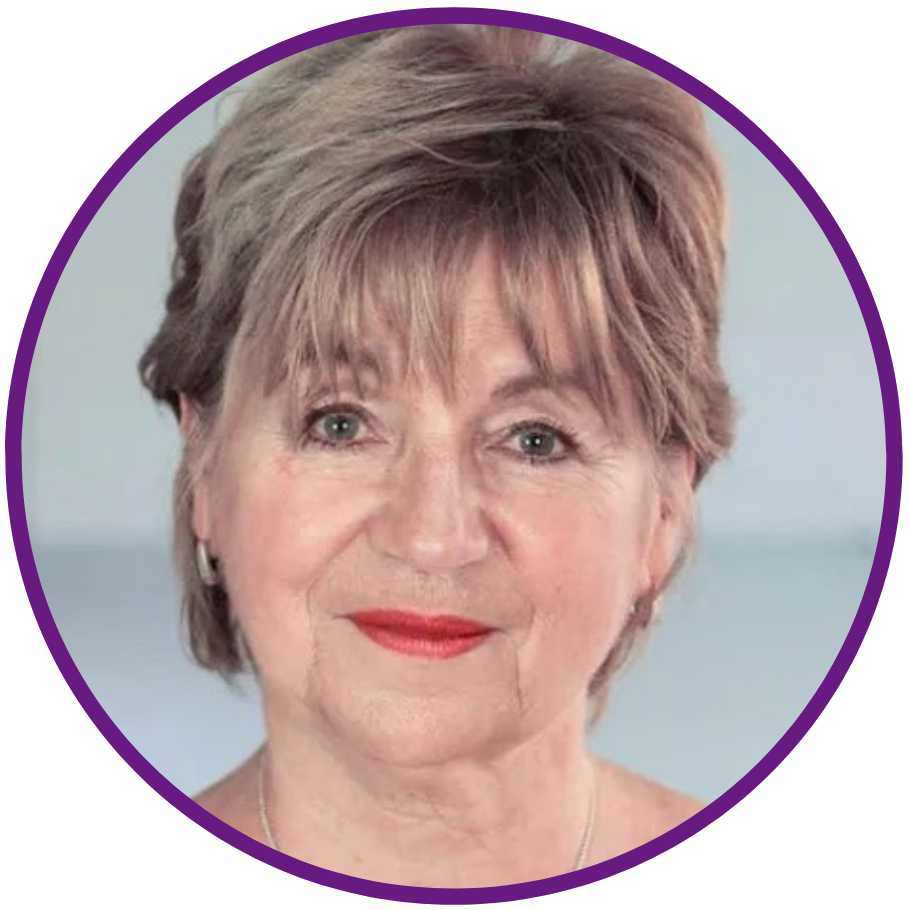
Izabella Natrins is the CEO of the UK and International Health Coaching Association (UKIHCA). As a UKIHCA-Registered Health Coach, she leads the organization with an integrative and whole-health perspective on the bio-psycho-emotional-social-spiritual-environmental influences that make up an individual’s unique lived experience.
Bringing a portfolio of professional health knowledge and skills, together with strategic management, marketing and communications experience to the UKIHCA, Izabella drives its continued growth and development as the gold-standard, pioneering first and leading international professional body, advocating and campaigning for health coaching and championing professional health coaches across all sectors with an interest in improving our populations’ health.
With over 35 years’ experience in the health, wellness and executive management space, her roles have included: Medical Research Council Health Research Psychologist in Public Health Medicine at the University of Birmingham Medical School, NHS England & Department of Health Programmes Manager and Managing Director of a Management & Organisational Development Consultancy.
Formerly the Director of Professional Standards and Development at UKIHCA, Izabella was a founder member of the Wellness Coaching Initiative (part of the Global Wellness Institute), is a Council member of the British Society for Integrative Oncology (BSIO) and a Co-Chair and founder member of the BISO’s Health Coaching Special Interest Group (SIG).
Izabella is also a passionate champion for real food and is the author of THE REAL FOOD SOLUTION, a professionally qualified chef, and proud graduate from the renowned Ballymaloe Cookery School in Ireland.
Moderator:
Jessica Matthews
DBH, NBC-HWC, DipACLM, FACLM
Jessica Matthews
DBH, NBC-HWC, DipACLM, FACLM
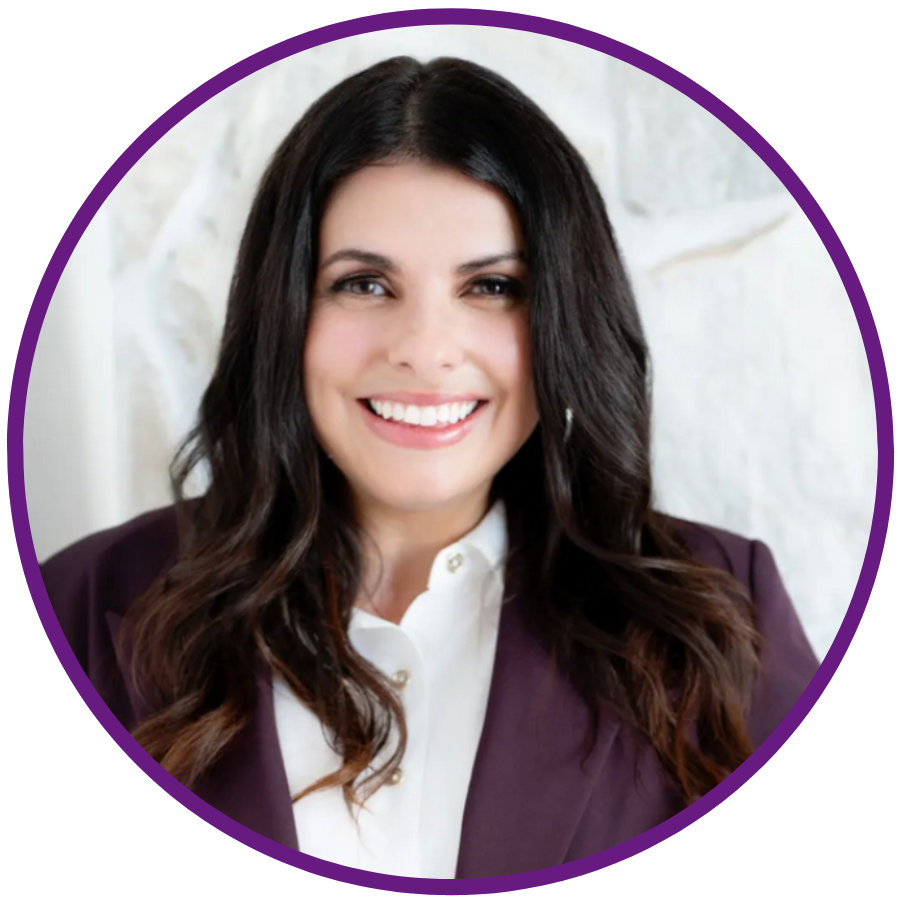
Dr. Jessica Matthews is a tenured professor and industry leader in the areas of lifestyle medicine and health behavior change. An award-winning educator, she is the creator and Founding Director of the Master of Science in Integrative Wellness at Point Loma Nazarene University. Additionally, Dr. Matthews is the Founding Director of Health Coaching at UC San Diego Health in the Department of Family Medicine. There she led the integration of health and wellness coaching services within both clinical practice and research in the Centers for Integrative Health.
A passionate advocate for whole person health, Dr. Matthews previously served as Interim Executive Director and Chair of the Board Directors for the National Board for Health & Wellness Coaching (NBHWC), with volunteer service to the organization in several board leadership roles spanning from 2019-2025. Additionally, she is board certified in lifestyle medicine (DipACLM) and served on the board of directors for the American College of Lifestyle Medicine (ACLM) from 2020-2023. In 2021, Dr. Matthews was named a Fellow of ACLM for outstanding achievement in the field of lifestyle medicine and exceptional dedication to advancing the organization's mission. In 2025, she was honored as an ACLM special award recipient for developing and directing the first master's program to become a full academic pathway to lifestyle medicine board certification.
A TEDx speaker and trusted expert on health and wellness, for more than 15 years Dr. Matthews has regularly contributed to top national media outlets with hundreds of impressions. With a propensity for driving innovation and change, she is the co-creator of The Health and Well-Being Coaching Conference— the first dedicated professional conference for health and well-being coaches.
Health coaching has evolved from a promising emerging discipline into an expanding global profession that is transforming the health and wellbeing of individuals and communities around the world. As the field continues to expand and evolve across countries, cultures, and practice settings, this opening session brings together leaders from the National Board for Health & Wellness Coaching (NBHWC) and the UK & International Health Coaching Association (UKIHCA) to discuss the remarkable journey of shaping the industry, and the exciting opportunities that lie ahead as we look to the future.
From professional standards, certification, and workforce development, to healthcare integration, technological innovation and international collaboration, we'll explore the foundational milestones, trailblazing efforts, and ongoing advancements that are charting the path forward for the profession. Join us for a dynamic conversation that will celebrate our collective history and invite us to come together to envision and shape the next chapter for health and well-being coaching worldwide.
Learning objectives:
- Identify significant milestones in the field of health and well-being coaching from a global perspective.
- Examine emerging trends, new opportunities, and bold visions for the future of the profession.
- Discuss ways in which the health coaching industry can continue to expand and evolve to increase impact and foster greater international collaboration.
2026 Keynote Session
The Science of Purpose in Life:
New Findings, Strategies, and Challenges
September 25: 6:30 pm to 7:45 pm PDT
Keynote Speaker:
 READ BIO
Todd Kashdan
PhD
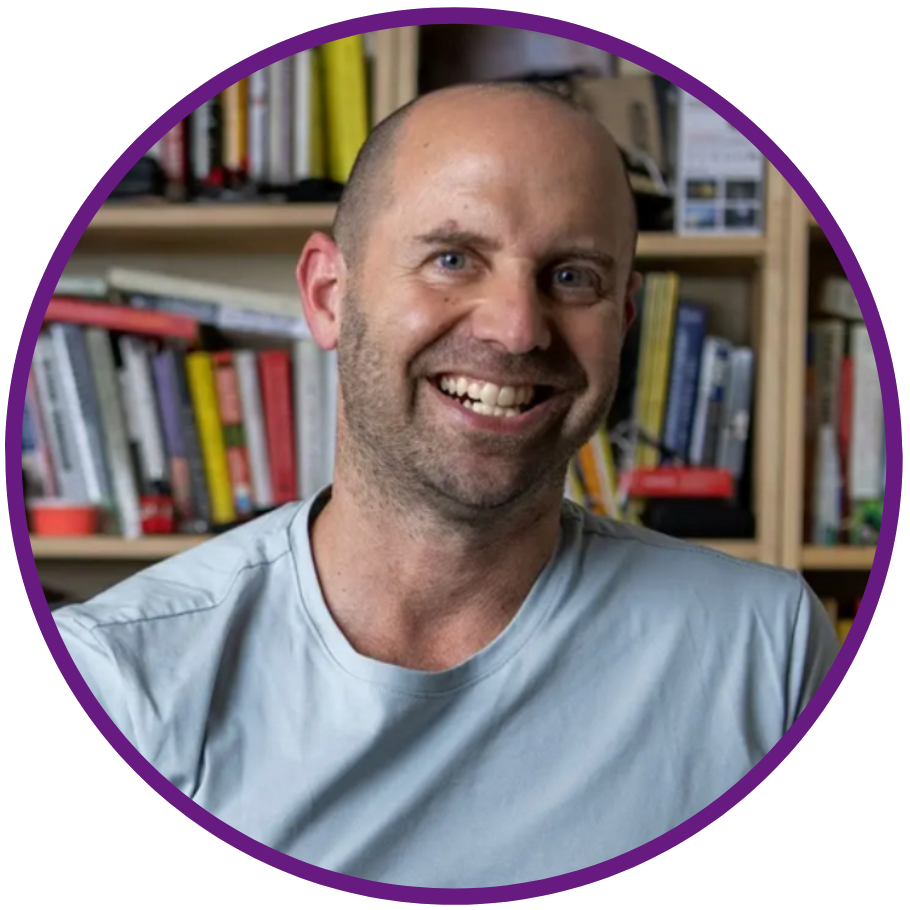
George Mason University professor Todd Kashdan is a leading expert on the psychology of wellbeing, psychological strengths, mental agility, and social relationships. A recipient of the APA’s Distinguished Early Career Researcher Award, he is one of the top 1% most cited scientists in the world and his articles on well-being have been cited over 50,000 times.
Todd is the founder and leader of the Well-Being Lab at George Mason University. His research has been featured in hundreds of media outlets, including articles in Harvard Business Review, The New York Times, Fast Company, Forbes, TIME, and an interview on the #1 science podcast Hidden Brain. He has also been featured in the award-winning documentary The Hidden Power of Purpose, and has been described as the founder of the most widely accepted definition and conceptual model of purpose in life.
In addition to his acclaimed academic research, Todd is the author of five books that translate cutting-edge science on wellbeing to practical applications that anyone can use to improve their everyday lives. His most recent award-winning book, The Art of Insubordination, is a practical guide for the kind of smart disagreement that makes the world a better place. He offers actionable frameworks for people who want to be heard and change others’ minds. And he shows leaders what they need to do to cultivate teams with psychological safety, where disagreement actually makes the team stronger and more effective.
Purpose in life is one of the most promising constructs in psychological science. Decades of research link a strong sense of purpose to better physical health, sharper cognitive functioning, greater resilience under stress, and protection against anxiety and depression. Yet most of what people believe about purpose, including how it forms, how it changes, and how to cultivate it in themselves and others, is wrong or incomplete.
Drawing on his Well-Being Lab research and collaborations, this talk offers coaches a clear, evidence-based account of what purpose is, how purpose develops across the lifespan, why it functions as much between people as within them, and what coaches can do to help clients build and maintain it. Expect practical strategies, useful provocations, and a fresh look at a topic too often left to generic self-help.
Learning objectives:
- Understand the nature and benefits of a strong sense of purpose in life, including links to health and well-being.
- Discover evidence-based strategies coaches can use to help clients develop, strengthen, and sustain purpose over time.
- Explore new questions, theories, and ideas reshaping how researchers and practitioners think about purpose, including its interpersonal dimensions.
September 26 Main Sessions
Coaching in the Digital Age
8:00 am to 9:30 am PDT
Panelists:
Colleen Cleindaniel
LSCW, DipACLM
Colleen Cleindaniel
LSCW, DipACLM
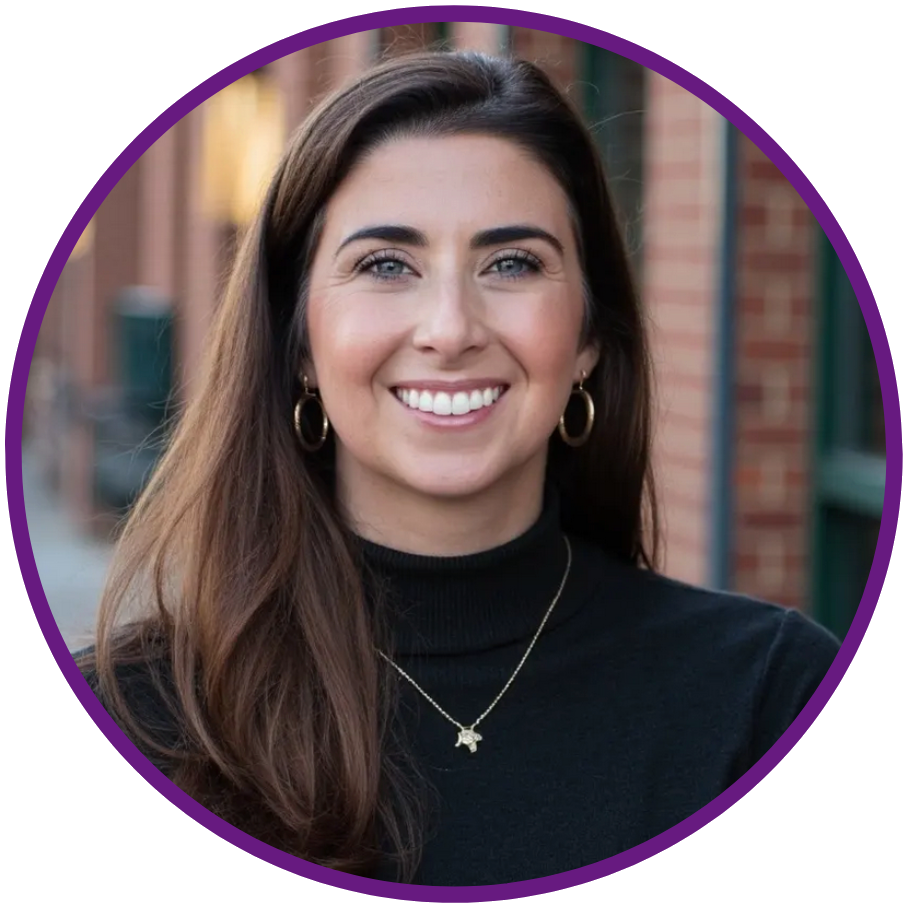
Colleen Clendaniel, LCSW, DipACLM, is a seasoned healthcare executive, Licensed Clinical Social Worker, and national leader in lifestyle medicine with more than 20 years of experience spanning clinical practice, federal healthcare systems, population health initiatives, and high-growth healthcare organizations. A trauma-trained clinician, ACLM Lifestyle Medicine Diplomate, and yoga-certified professional, she brings a whole-person, mind-body approach to healthcare that integrates behavioral health, prevention, and evidence-based lifestyle interventions.
As Chief Clinical Operations Officer of Nudj Health, Colleen provides strategic leadership for interdisciplinary care models that improve outcomes for individuals living with chronic disease, mental health conditions, and complex health challenges. Her expertise lies at the intersection of lifestyle medicine, behavioral health, and population health, where she specializes in building scalable, person-centered programs that advance health equity, improve patient engagement, and drive meaningful clinical outcomes.
Throughout her career, Colleen has been recognized for translating complex organizational goals into human-centered strategies that enhance both patient experience and system performance. She has led the development of innovative care delivery models, national training initiatives, and workforce development programs, including founding the Nudj Scholar Program and establishing academic affiliations with universities and training institutions across the country.
In addition to her operational leadership, Colleen supports research and quality improvement efforts focused on lifestyle medicine, chronic disease reversal, behavioral health, and healthcare utilization. She is passionate about advancing the future of healthcare through prevention, interdisciplinary collaboration, and whole-person care - helping individuals and organizations move beyond managing disease toward creating the conditions for lifelong health and well-being.
Sonja Ecklund
NBC-HWC
Sonja Ecklund
NBC-HWC
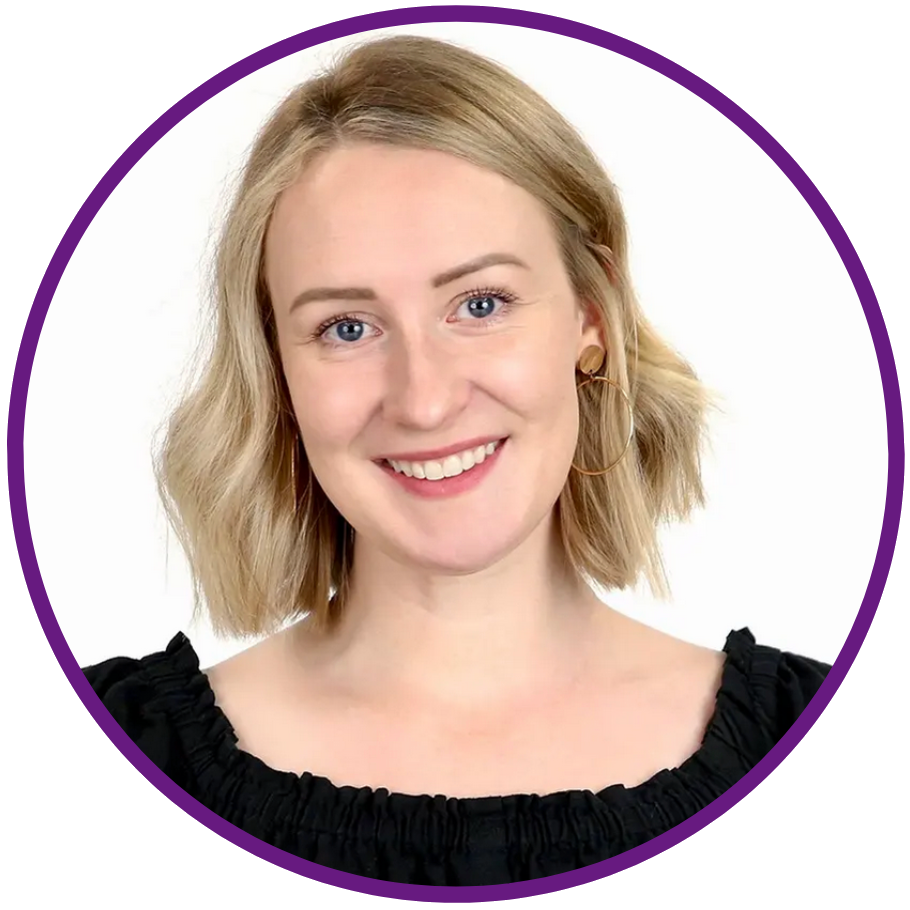
Sonja Ecklund, NBC-HWC, is Head of Coaching at Vaalia, a clinically integrated coaching organization that supports patients navigating cancer and other complex conditions. Vaalia combines health coaching, pharmacist expertise, and advanced analytics to help patients stay engaged in treatment, manage side effects, and improve health outcomes.
With 15 years of experience in health coaching, behavior change, and wellness program leadership, Sonja has served in a wide variety of roles, including wellness coordinator for four rural K–12 school districts, corporate telephonic health coach, behavior change consultant, health coach training manager, coaching product developer, pet loss grief group facilitator, and more. Her work has spanned health and wellness, education, start-ups, consulting, and community-based organizations.
In addition to leading Vaalia’s coaching programs, Sonja maintains a private coaching and consulting practice. She coaches individual clients, develops continuing education programs and courses, trains new coaches entering the profession, helps coaches prepare for the NBHWC board exam, mentors coaching professionals, and consults with health tech startups.
Outside of work, you can find Sonja planning her next adventure, hiking in the mountains, searching for the best pastries, doing puzzles with her husband, walking her tiny dogs, or watering her many houseplants.
Megan Murk
NBC-HWC
Megan Murk
NBC-HWC
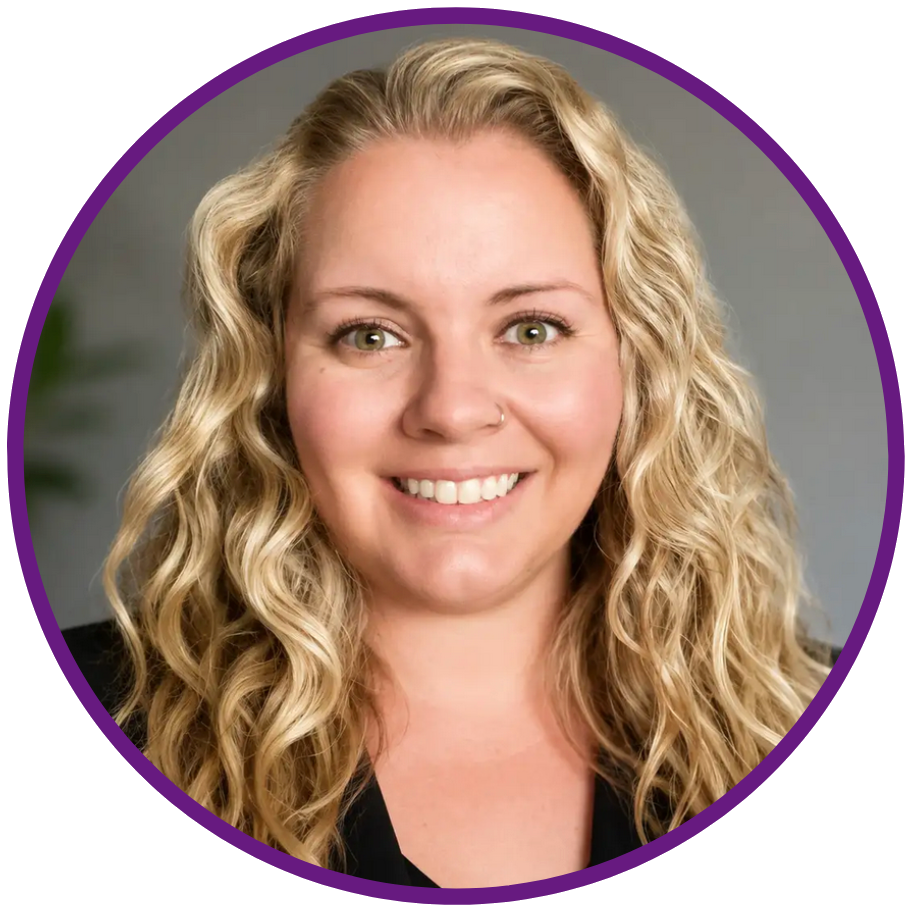
Megan Murk is a coach, operator, and behavioral health leader with more than 15 years of experience building and scaling human-centered systems across startups, healthcare, and coaching organizations. As a leader at Wave Life, Megan focuses on advancing coaching as a clinically meaningful, behavior-change-driven modality within modern mental health care.
A National Board Certified Health & Wellness Coach (NBC-HWC), Megan’s work sits at the
intersection of coaching, behavioral science, operations, and innovation. She has helped design scalable coaching frameworks, quality systems, training programs, and care models that emphasize both relational depth and measurable outcomes. Her work is grounded in the belief that effective coaching is not simply motivational support, but a disciplined practice capable of driving meaningful psychological and behavioral change.
Megan is particularly passionate about expanding access to high-quality care through coaching-led models, especially for underserved and complex populations. She is known for translating nuanced clinical and relational concepts into practical systems that teams can implement at scale while maintaining human connection at the center of care. Throughout her career, Megan has advocated for elevating the standards, rigor, and impact of the coaching profession. She frequently speaks on coaching quality, behavioral health innovation, workforce development, and the future of coach-delivered care.
Daniel Viscovich
MA, NBC-HWC
Daniel Viscovich
MA, NBC-HWC
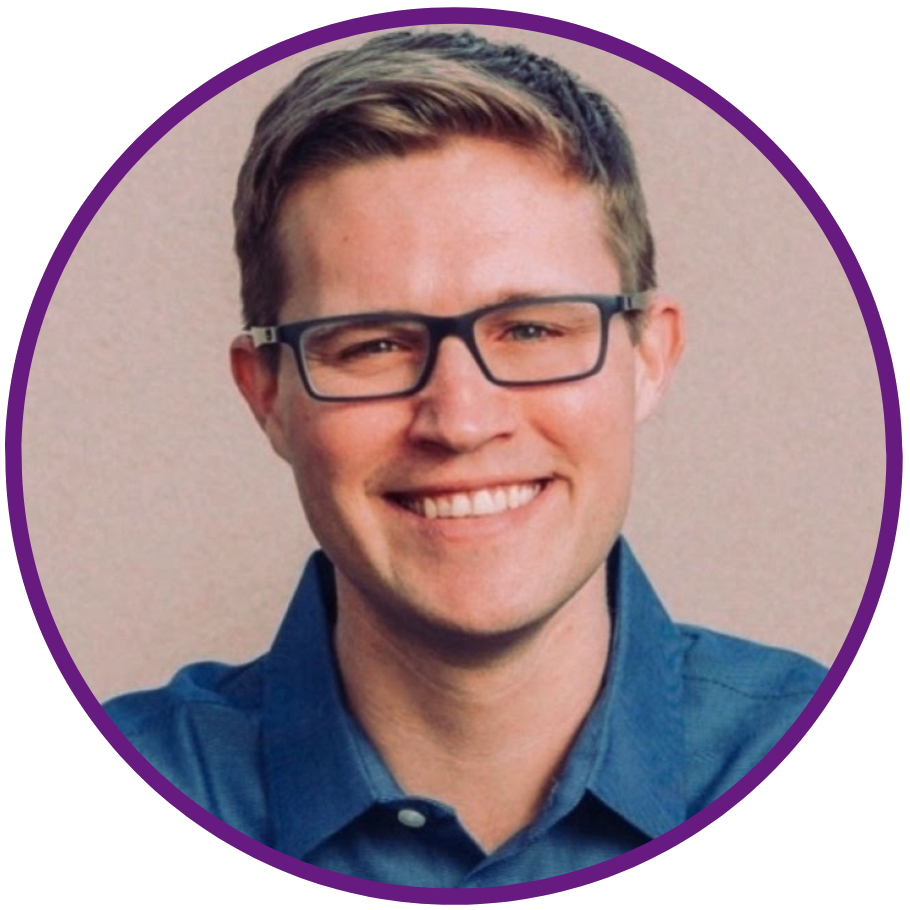
Daniel Viscovich is Head of Coaching at Onsera, where he is building a 24-month, AI-first behavioral health coaching program for employer-sponsored populations on GLP-1 medications. In this role, he designs the behavioral architecture that integrates prescribing physicians, registered dietitians, and behavioral coaches into a single coordinated care team. His work centers on operationalizing behavior change science as the load-bearing structure of digital coaching at scale, rather than treating it as a credential.
A National Board Certified Health and Wellness Coach, Daniel brings more than a decade of experience across performance and behavioral coaching. He coached at EXOS at Google and at Calibrate, and built the coaching program at Sensei, the premium destination wellness brand. At Shed, he advanced from health coach manager into operations leadership. He has also taught at the undergraduate level.
Daniel is completing a PhD, where his dissertation investigated the self-efficacy of board certified health and wellness coaches, including job duties that misalign with their training experiences. His professional focus centers on advancing the field of health coaching, from strengthening how coaches are trained and deployed to designing programs that keep behavioral science intact as they scale. That includes defining how human coaches and AI divide labor, so technology carries infrastructure and pattern recognition while coaches retain the judgment, relational depth, and identity-level work that drives lasting behavior change. He is particularly interested in how thoughtfully designed coaching systems can extend evidence-based support to populations that have historically lacked access.
Advances in technology are rapidly reshaping how people live and how coaches support health behavior change. From AI-powered platforms and personalized nudges, to remote monitoring and real-time health insights, digital health tools are extending care beyond traditional environments and creating new opportunities to empower individuals to improve their health and wellbeing.
In this panel discussion, leaders from innovative digital health organizations will explore how technology is shaping whole person care and enhancing the coaching experience. Panelists will share real world experiences and lessons learned, as well as illuminate the opportunities and challenges of providing personalized, human-centered care in an increasingly digital world.
Walk away with new insights and perspectives, as well as an expanded view of the professional opportunities emerging in the evolving digital landscape.
Learning objectives:
- Explore innovations shaping digital health and whole person care.
- Examine how digital tools can support whole-person health and improve health outcomes.
- Discuss the current challenges and professional opportunities for health and well-being coaches in the evolving digital health landscape.
How to Make Smarter, Wiser Groups
9:45 am to 11:15 am PDT
Keynote Speaker:
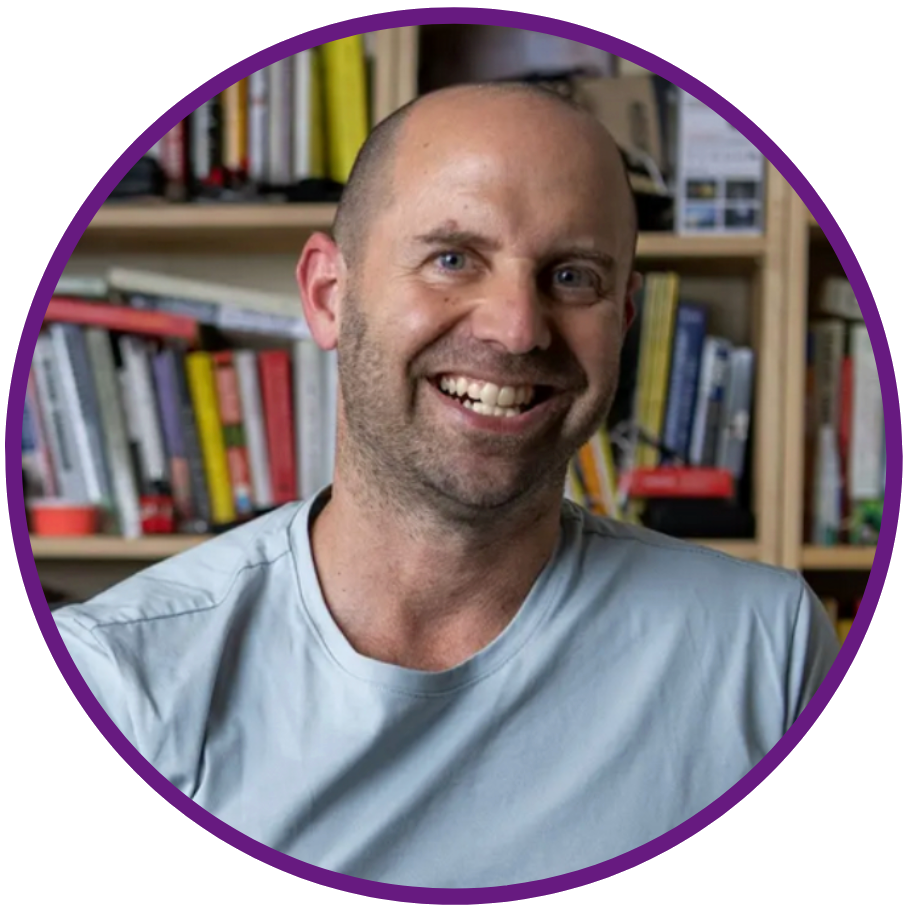
Todd Kashdan
PhD
Todd Kashdan
PhD
George Mason University professor Todd Kashdan is a leading expert on the psychology of wellbeing, psychological strengths, mental agility, and social relationships. A recipient of the APA’s Distinguished Early Career Researcher Award, he is one of the top 1% most cited scientists in the world and his articles on well-being have been cited over 50,000 times.
Todd is the founder and leader of the Well-Being Lab at George Mason University. His research has been featured in hundreds of media outlets, including articles in Harvard Business Review, The New York Times, Fast Company, Forbes, TIME, and an interview on the #1 science podcast Hidden Brain. He has also been featured in the award-winning documentary The Hidden Power of Purpose, and has been described as the founder of the most widely accepted definition and conceptual model of purpose in life.
In addition to his acclaimed academic research, Todd is the author of five books that translate cutting-edge science on wellbeing to practical applications that anyone can use to improve their everyday lives. His most recent award-winning book, The Art of Insubordination, is a practical guide for the kind of smart disagreement that makes the world a better place. He offers actionable frameworks for people who want to be heard and change others’ minds. And he shows leaders what they need to do to cultivate teams with psychological safety, where disagreement actually makes the team stronger and more effective.
Most meaningful changes in a team, organization, or society begins with someone willing to question the status quo. The problem is that most people who try get ignored, dismissed, or pushed out, squelching the ideas that would have helped improve decision-making. Being right is not enough. Principled rebels need a specific skill set, and so do the people who want to support them.
In this interactive workshop based on his book, The Art of Insubordination, Todd Kashdan draws on research from social psychology, organizational behavior, and the science of influence to show how dissenters succeed. Participants will learn what separates effective rebels from the merely difficult, how to voice unpopular ideas in ways that get heard, and how to build the kind of psychological flexibility and social courage that sustains principled action over time.
For coaches, the session offers tools to help clients manage their distress along with workplaces, relationships, and communities where speaking up carries real risk, and to do so without burning bridges or burning out.
Learning objectives:
- Identify the specific behaviors and communication strategies that distinguish effective principled rebels from dissenters who get dismissed or marginalized.
- Apply research-based techniques for voicing unpopular ideas in ways that increase the likelihood of being considered and acted upon.
- Coach clients to build the psychological flexibility and support networks needed to challenge conventional thinking with minimal sacrifice of relationships or well-being
From Awareness to Action:
Advancing Health Equity Through Systems Change and Collective Impact
1:00 pm to 2:15 pm PDT
Speaker:
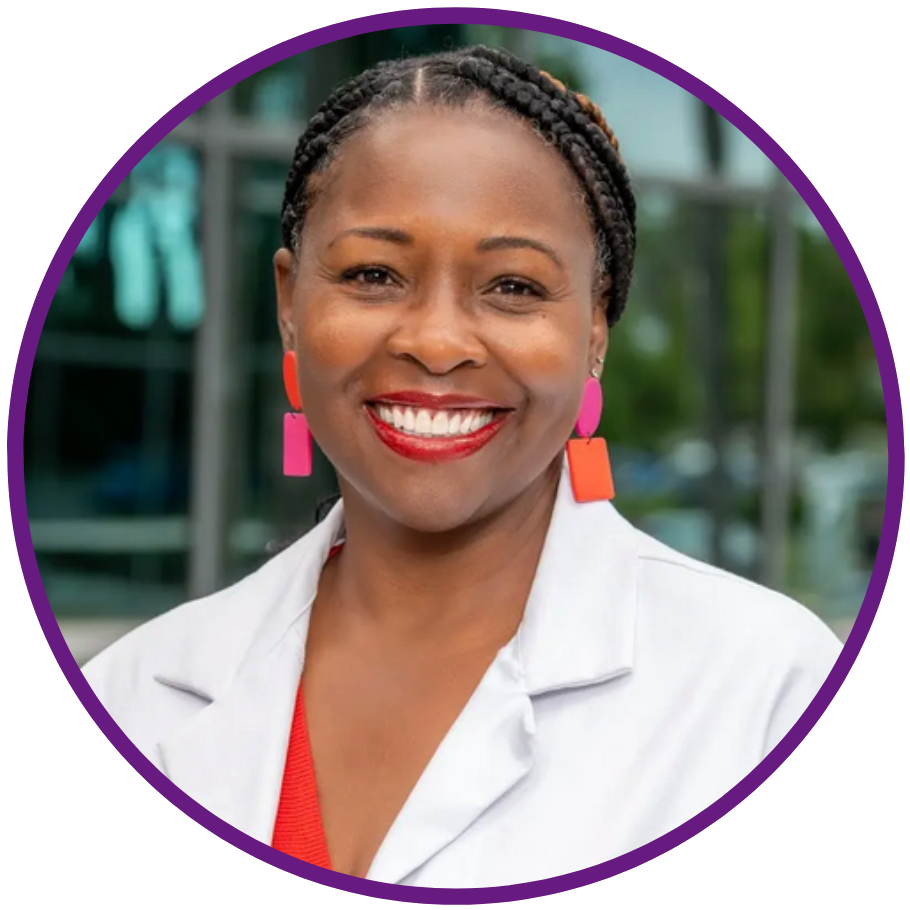
Crystal Cené
MD, MPH
Crystal Cené
MD, MPH
Crystal Cené, MD, MPH, is the chief administrative officer and associate chief medical officer for Health Equity at UC San Diego Health. In this dual, complementary role, she leads efforts to foster an equitable, diverse, and inclusive environment for students, trainees, faculty, staff, and patients. She also serves as a professor of Medicine and Public Health.
Dr. Cené is responsible for the vision, leadership and strategic planning of UC San Diego Health's initiatives that improve the health of patients, particularly those who have historically faced barriers to health care and services. She partners closely with organizational leaders to ensure that our policies, programs, and practices empower all patients and the communities we serve to achieve optimal well-being. Dr. Cené is an Internal Medicine physician, bringing extensive experience in leadership, research, teaching, and clinical experience to her position.
Before her current role, Dr. Cené served as the system executive director for Health Equity and the director of the Program on Health Disparities at University of North Carolina (UNC) Health. She oversaw the health system's 5-year strategic plan for health equity and implemented a program to reduce COVID-19 vaccine disparities. She was also responsible for planning and program implementation related to health disparities research. During her time at UNC, she was promoted from assistant to associate professor of Medicine with tenure.
She is a nationally recognized researcher in health services and health disparities. Her research focuses on improving cardiovascular health and reducing cardiovascular health inequities, as well as examining the social and structural factors that influence health. She also evaluates and implements interventions that enhance patient and family-centered care, particularly for adults with multiple chronic conditions. Dr. Cené has authored over 100 peer-reviewed publications and has mentored dozens of students, trainees, and junior faculty. She has held leadership roles in national and international organizations throughout her career, including the American Heart Association, the Society of General Internal Medicine, and the Women's Health Initiative.
Dr. Cené completed her medical residency at Yale University and earned her medical degree at East Carolina University. She completed a three-year clinical research fellowship and holds a Master of Public Health from Johns Hopkins University. She is also trained as an implementation scientist.
Health and wellbeing coaches are uniquely positioned to help individuals achieve their health goals, but lasting health equity requires more than individual-level interventions. It demands attention to the systems, structures, policies, and social conditions that shape opportunities for health.
This session will move beyond foundational health equity concepts to focus on practical implementation strategies that coaches, healthcare organizations, and community partners can use to advance equity at scale. Participants will explore how health outcomes are influenced by social and structural factors, learn how to identify barriers embedded within healthcare systems, and examine opportunities to drive meaningful change through both individual and collective action.
Drawing on real-world examples from a large academic health system, Dr. Crystal Cené will share innovative initiatives designed to reduce disparities, improve access to care, strengthen community partnerships, and embed equity into organizational priorities. Attendees will leave with actionable tools and frameworks to expand their impact beyond one-on-one coaching encounters and contribute to creating more equitable systems of care and wellbeing.
Learning objectives:
- Identify system-level drivers of health inequities that affect coaching outcomes.
- Apply practical strategies to advance health equity within organizations and communities.
- Recognize opportunities for coaches to influence change through collective action and cross-sector partnerships.
Coaching In Action:
Live Demonstration and Analysis
2:30 pm to 4:00 pm PDT
Speakers:
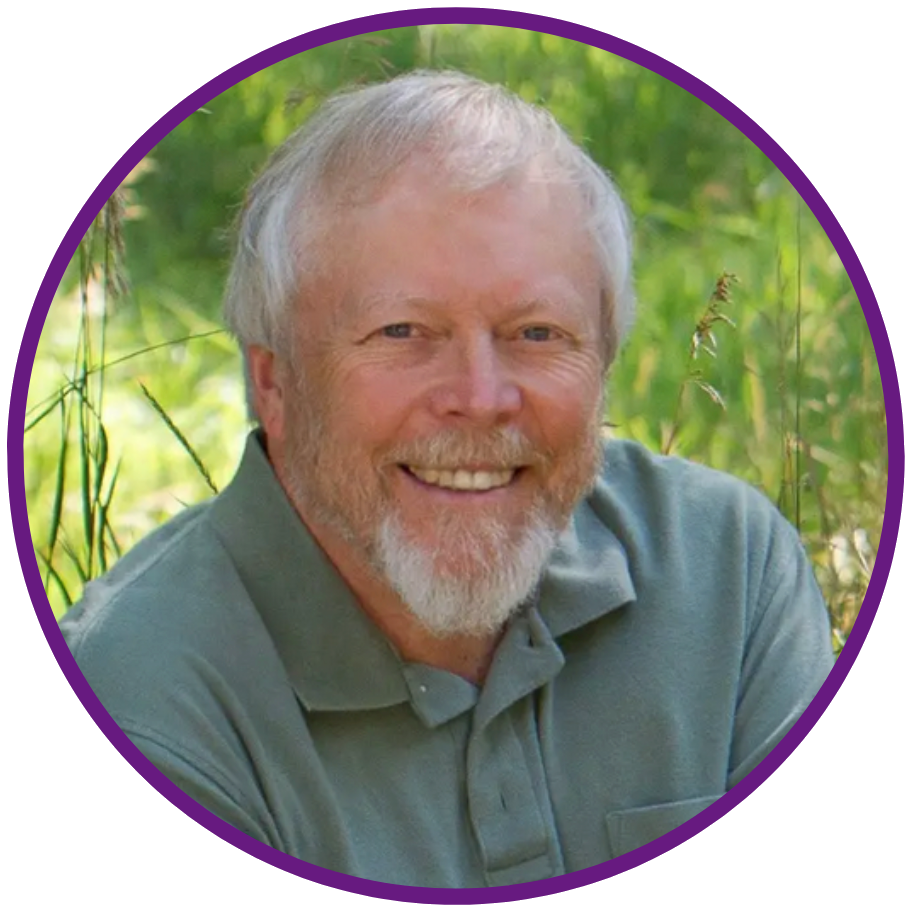
Michael Arloski
PhD, PCC, NBC-HWC
Michael Arloski
PhD, PCC, NBC-HWC
A pioneering architect of the field of health and wellness coaching, Dr. Arloski’s life’s work and passion is creating allies for a healthy world. He and his company, Real Balance Global Wellness Services, Inc., have trained thousands of coaches around the globe. A psychologist with over twenty-five years of clinical work and professional contribution to the field of wellness and health promotion for decades, he is a founding board member of the National Board for Health & Wellness Coaching (NBHWC), and is now a Board Member Emeritus.
Dr. Arloski is the author of Wellness Coaching for Lasting Lifestyle Change, 2nd Ed., the foundational book of the field (available in both English and Mandarin), and Masterful Health & Wellness Coaching: Deepening Your Craft. His leadership history includes being Past President of The Ohio Society for Behavioral Health & Biofeedback, The Colorado College Counselors Association, and President of the Board of Directors of the National Wellness Institute.
An avid outdoorsman and forty year practitioner of Tai Chi, he and his wife, Deborah, live, work, dance, and play in Northern Colorado.
The interpersonal process and skill of coaching lends itself perfectly to direct observation as a method for maximal learning. Yet rarely do we have the opportunity to witness this in action with health and well-being coaching. This interactive workshop will allow coaches to observe two different clients being coached in-person by a veteran health and well-being coach. Throughout the coaching process there will be periodic breaks for analytic discussion by attendees with both the coach and client. This will allow for deeper understanding of the methods and techniques used by the coach and the rationales for their use. Feedback from the clients will also provide insight into the effect that the coach’s work had with them.
Learning objectives:
- Observe coaching skills in practice, to include effective questioning and reflecting listening.
- Analyze the coach’s decision-making process and rationale for selecting specific coaching skills and techniques in response to client needs and goals.
- Evaluate the impact of coaching approaches on client engagement and insight through direct observation and client feedback.
September 27 Main Sessions
Integrating the Arts into Health & Wellness Coaching:
Utilizing Evidence-Based Creative Expression for Client Transformation
8:00 am to 9:30 am PDT
Panelists:
Erika Jackson
MA, MCC, NBC-HWC, CPHWC
Erika Jackson
MA, MCC, NBC-HWC, CPHWC
Erika has been working under the title of “Creative Wellness Coach” for over 25 years, believing that the integration of the arts into coaching is play with a purpose. In her years of experience as a singer, actor and theater producer, she has witnessed the impact of engaging in creative activities as a pathway to self-efficacy, self-esteem and community.
As an Instructional Designer and Facilitator for ImprovEdge, she designs improvisational theater experiences to create impactful leadership and team development programs. And, as Chief Coaching Officer at Wellcoaches School of Coaching, she strives to make training experiences more “sticky” with the inclusion of movement, music, and storytelling.
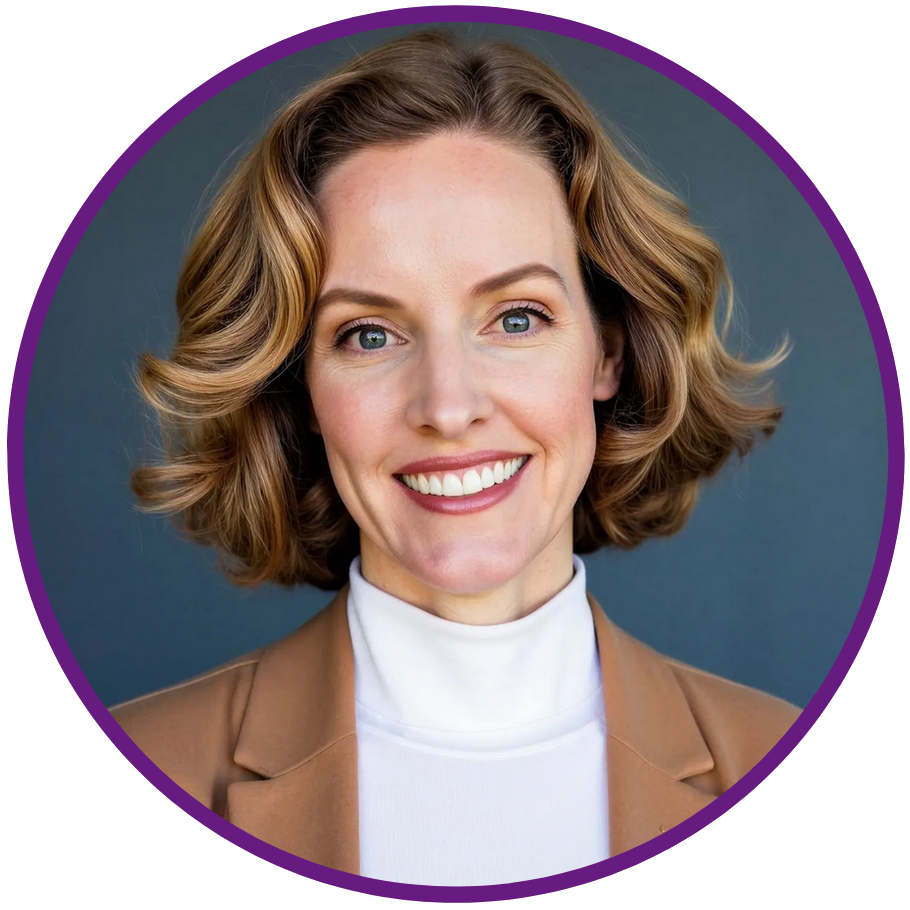
Megan Merchant
MS, PCC, NBC-HWC
Megan Merchant
MS, PCC, NBC-HWC
With 26 years of experience primarily in dance, fitness, and health education, Megan is currently a dedicated health coach who passionately guides and educates individuals and groups toward personalized behavior change techniques. Megan advocates for client content and practices that are inclusive, meaningful, evidence-based, and empowering. She supports and celebrates organizations that embrace similar values and collaborative teams.
Megan is known for her 10 years of work designing and leading collegiate courses at the University of New Mexico, including topics such as ‘Conflict Mediation, 'Stress Management', 'Physical Activity and Aging', and 'Partner-Free Ballroom'. She has been featured as a conference presenter, group fitness author, podcast speaker, and a warm-up lead for charity events. Megan was named the 2025 Coach of The Year at The Health and Well-Being Coaching Conference.
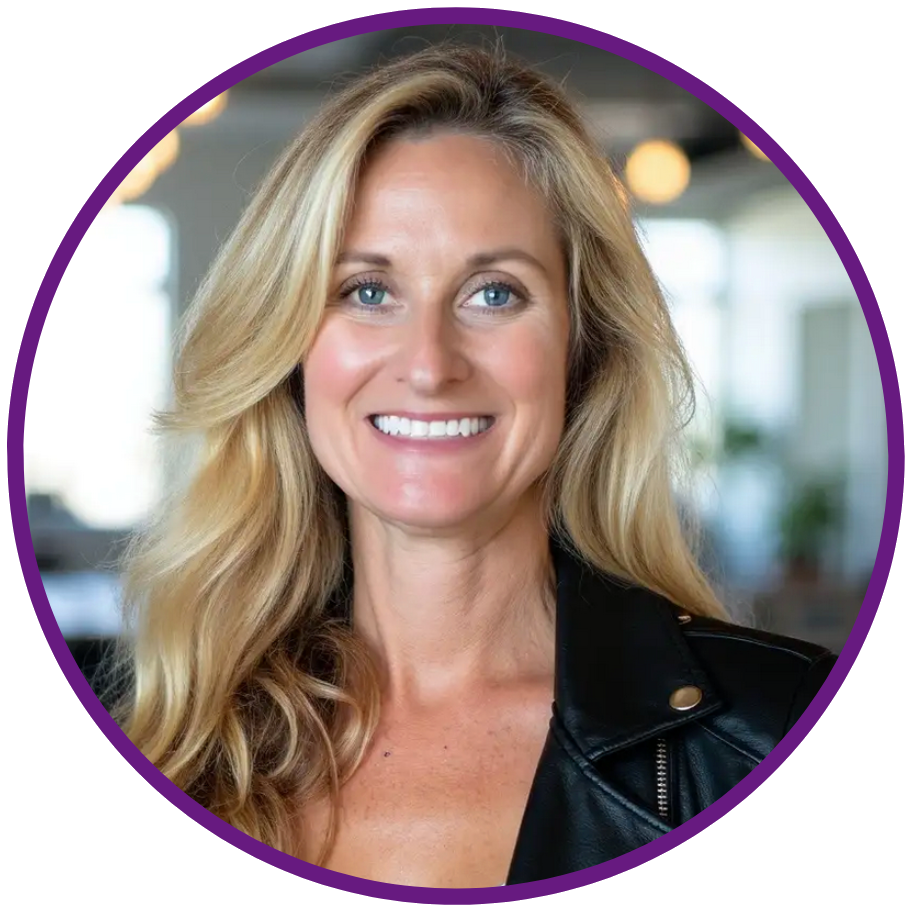
Kirsten Olshan
MS, NBC-HWC
Kirsten Olshan
MS, NBHWC
Kirsten Olshan was a Master Resilience Trainer (DOD), lifelong performer, and a certified Resilience Coach performance expert with 25+ years across military, healthcare, academia, and the arts. She blends health and wellness coaching with performance and sports psychology using Pilates, yoga, mindfulness, self‑compassion, and emotional regulation to optimize mindset, injury prevention, and chronic pain recovery and help clients get out of their own way.
A former triple‑threat performer who toured nationally, she co‑created the Performance, Health & Wellness Coaching Program at ODC Dance, works with teen and youth dance programs, and teaches at the ODC Pilates and yoga studio and a studio in Marin. Kirsten volunteers with the Healthy Dancers Clinic and helped develop Fairfax County arts‑based programs for children living with autism. As a wellbeing and lifestyle coach at Stanford and facilitating courses on healthcare leadership and stress and wellbeing at 2U, she supports lifestyle, stress management,physical activity and performance initiatives; she has coached military leaders, athletes, clinicians, and artists, Her process explores clients’ intentions and vision for wellbeing, identifies gaps between current and desired states.
Moderators:
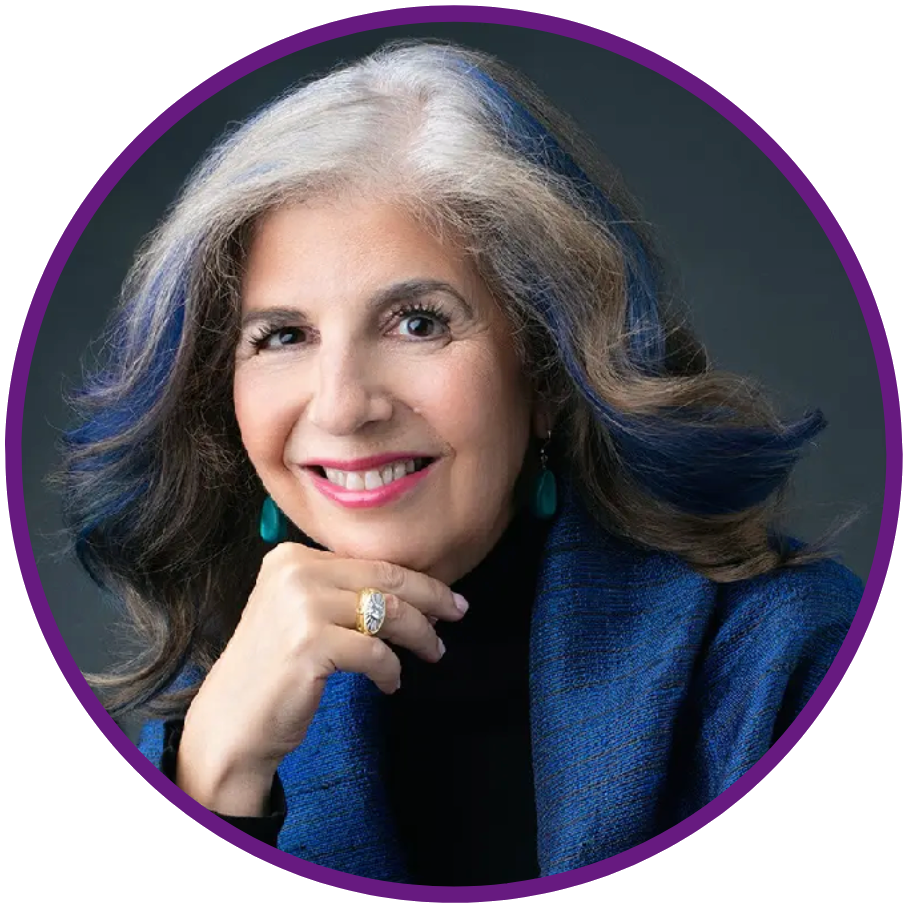
Susan Schear
NBC-HWC
Susan Schear
NBC-HWC
Susan is the Founder of SoulNorth Coaching & Wellness and Founder and Principal of ARTISIN®, LLC, an arts consulting practice established in 1995. A National Board-Certified Health & Wellness Coach and Certified OSW Coach, Susan brings more than 30 years of experience in arts leadership, community engagement, strategic planning, nonprofit development, governance, community building, and facilitating workshops and presentations.
Her coaching practice focuses on individual and group coaching and the design and implementation of health and well-being programs for community-based organizations, nonprofits, and mission-driven institutions. She is passionate about supporting urban communities and individuals impacted by social and structural determinants of health.
A dedicated advocate for the growing Arts & Health movement, Susan co-founded the NBHWC Special Interest Group, Integrating the Arts in Health & Wellness Coaching. Her work explores how creative expression, arts participation, and evidence-based coaching can support identity, belonging, resilience, behavior change, and well-being.
Susan is committed to expanding the role of health and wellness coaches within the Arts & Health ecosystem and is especially interested in social prescribing and opportunities for collaboration among coaches, healthcare professionals, community organizations, and the arts sector. She is dedicated to building communities of connection, creativity, and purpose.
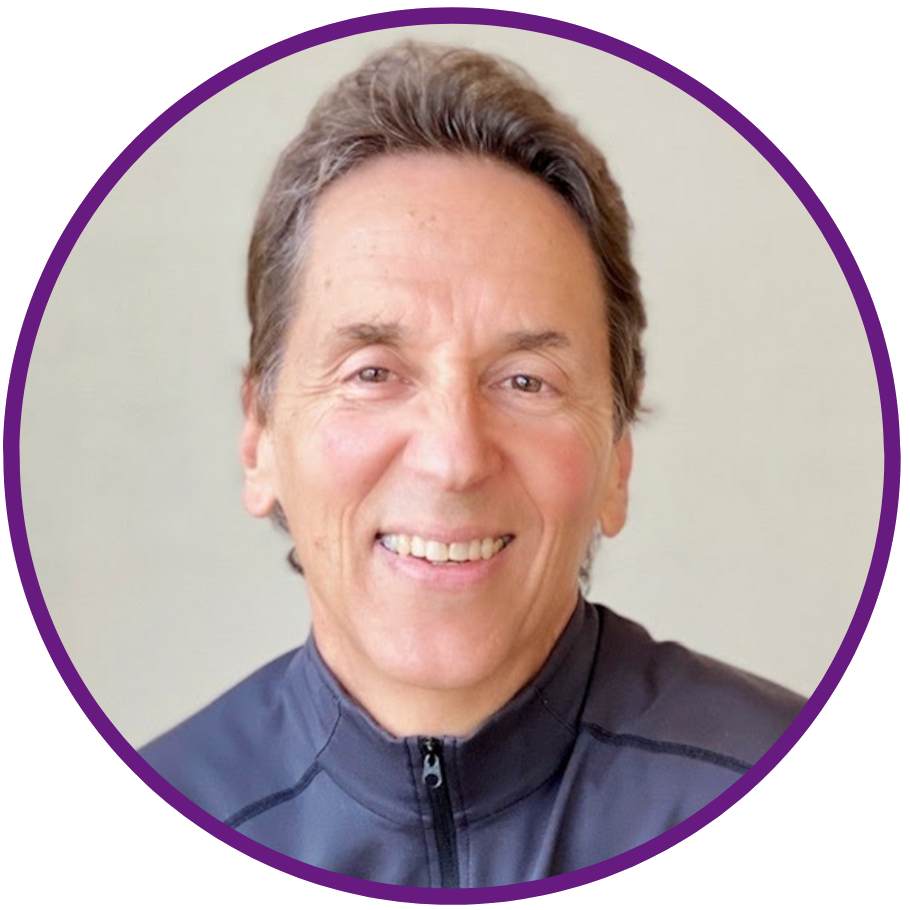
Art Waber
MFA, NBC-HWC
Art Waber
MFA, NBC-HWC
As a health coach since 2009, Art has supported diverse populations across high-impact settings, including Vida Health Inc, Hinge Health Inc, and the workplace wellness program at Raleigh-Durham International Airport. As founder of Proactive Integrative Health Coaching LLC, he’s worked with individuals and groups from all walks of life: Aviation professionals, performing artists, clergy, veterans, public safety officers, engineers, HR leaders, and more.
Prior to becoming a health coach, Art founded and led Artsource Management LLC, a tour booking and arts management consulting firm. He collaborated with dance companies, musicians, actors, directors and cultural institutions across the globe — supporting their creative missions while navigating the intense demands of touring, fundraising, and organizational growth. He now offers tailored health coaching and consulting for performing artists, arts organizations, and creative teams as they cultivate sustainable well-being without sacrificing their artistic vision.
Health and wellness coaches are increasingly integrating performance, media, music, spoken word, movement, and visual arts to support clients in finding their identity, playfulness, and connection. This engaging panel discussion examines arts participation as a health behavior. By integrating artistic and creative modalities with evidence-based health and wellness coaching practices, this interactive session features innovative approaches that can deepen socio-emotional connection, bring forward cultural diversity and humility, and share our clients’ lived experiences within an increasingly analytical and isolated environment.
Through collaborative discussion, this session will explore the opportunity to further position national board certified health and wellness coaches (NBC-HWCs) within the rapidly growing and vibrant Arts & Health sector by widening the lens of inclusivity, expanding engagement within underrepresented communities, and incorporating trauma-informed approaches alongside consideration of social and structural determinants of health.
Learning objectives:
- Examine how arts-based health coaching is bridging the gap between the arts and medicine.
- Discuss current research, best practices, and community outreach initiatives to enhance client health outcomes.
- Explore the opportunity to establish a collaborative, peer-led community of artist-health coaches and professional framework language for a recognized 'integrative arts' competency for health and wellness coaches.
From Clinic to Community:
Building Sustainable Health Through the Community as Medicine Model
9:45 am to 11:00 am PDT
Speakers:
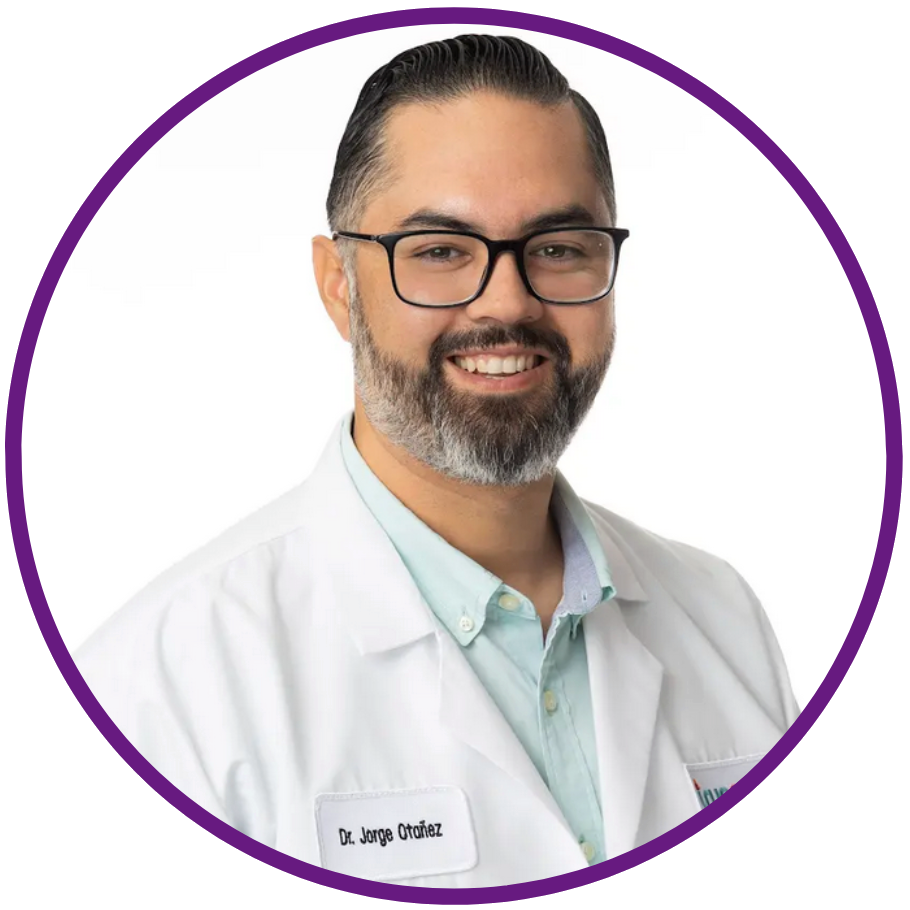
Jorge Otañez
MD, DipABLM
Jorge Otañez
MD, DipABLM
Dr. Jorge Otañez is a board-certified Family Medicine and Lifestyle Medicine physician with over 15 years of healthcare experience in both Mexico and the United States. He currently serves as Associate Chief Medical Officer at TrueCare, a Federally Qualified Health Center in Southern California, where he provides clinical oversight to ensure delivery of high-quality, patient-centered care. In this role, he collaborates across clinical, operational, and administrative teams to advance organizational performance while supporting TrueCare’s mission to improve the health and well-being of the communities it serves.
Raised in Tijuana, Baja California, Dr. Otañez was inspired to pursue a career in medicine after witnessing firsthand the profound impact of health inequities on individuals and families. This early exposure continues to shape his professional purpose and fuels his commitment to addressing chronic disease, prevention, and whole-person care—particularly in underserved populations. His work is grounded in improving patient outcomes and quality of life through innovative, community-centered models of care.
Dr. Otañez earned his medical degree from the Autonomous University of Baja California (UABC) and completed the UCLA International Medical Graduate Program before finishing his Family Medicine residency at the University of California, San Diego, where he served as Chief Resident. His career spans multiple leadership roles within community health centers in San Diego and Riverside counties, including Clinic Coordinator, Adult Medicine Department Chair, Chief Medical Officer, and now Associate Chief Medical Officer. He is also the architect and clinical leader behind TrueWellness: A Community Ecosystem for Sustainable Health, a comprehensive initiative that integrates lifestyle-based, food-as-medicine, physical activity, and social connection interventions into primary care settings.
He is a Diplomate of the American Board of Lifestyle Medicine and is currently pursuing certifications in Culinary Medicine and Obesity Medicine. Dr. Otañez completed a highly competitive two-year Healthcare Leadership Fellowship with the California Health Care Foundation and UCSF (Cohort 23), where he developed a California Health Improvement Project focused on reducing barriers to healthy food, physical activity, and mental health services by embedding these resources directly into clinical care.
Dr. Otañez is deeply engaged in national and state-level professional leadership. He serves as Secretary/Treasurer of the San Diego Academy of Family Physicians Board of Directors, is a member of the AAFP Commission on Members and Membership Services, the CAFP Justice, Equity, Diversity, and Inclusion Committee, and the Association of Clinicians for the Underserved Program Committee. He is also a member of the Gatorade Hydration Advisory Board. In addition, he is the host of “The O Factor” Podcast, where he explores lifestyle medicine, leadership, and community-driven solutions to improve health outcomes, and he serves as a Walk with a Doc walk leader, promoting physical activity and connection as core components of health.
In recognition of his impact, Dr. Otañez was named one of the 2022 San Diego Business Journal and San Diego County Imperial Valley Hispanic Chamber of Commerce Top 50 Latino Leaders of Influence. Outside of medicine, he enjoys playing the saxophone, cooking, traveling, attending sporting events, and spending time with his family.
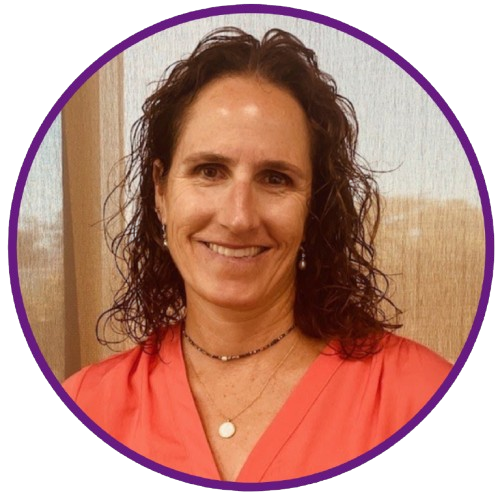
Jen Sedeno
Jen Sedeno
Jen Sedeno has been a dedicated leader within the YMCA movement for more than 20 years, making significant contributions to growth and its role in community health. Throughout her tenure, she has developed and implemented impactful cancer survivorship and diabetes prevention programs, established referral pathways that connect community members to YMCA resources, and built strategic partnerships that expand access to health and wellness services.
Most recently, Jen helped bring Community as Medicine to the YMCA of San Diego through a collaboration with Open Source Wellness. She further strengthened the YMCA’s healthcare network by developing a partnership with TrueCare, enabling the program to be delivered in collaboration with their physicians through a group medical model. With plans to expand the program to additional YMCA locations later this fall, Jen continues to position the YMCA as a trusted partner in community health, prevention, and wellness while creating sustainable partnerships that broaden the organization’s impact.
Chronic disease, social isolation, and lifestyle-related health challenges cannot be solved within clinic walls alone. Innovative partnerships between healthcare organizations and trusted community institutions offer a powerful opportunity to extend care beyond traditional medical settings and support lasting behavior change.
This session will explore the Community as Medicine (CAM) Program, a collaborative initiative between TrueCare, a federally qualified health center serving Southern California, and the YMCA of San Diego County. Designed to bridge primary care and community-based wellness resources, the CAM Program leverages health coaching, social connection, movement, stress management, and evidence-based behavior change strategies to improve health outcomes while reducing barriers to participation.
Participants will learn how the program was developed, operationalized, and integrated into clinical workflows, including referral pathways, patient engagement strategies, community partnerships, and outcome measurement. Real-world lessons learned, successes, challenges, and early outcomes will be shared to provide attendees with practical tools they can adapt within their own organizations and communities.
Whether you are a health and wellness coach, clinician, healthcare leader, or community partner, this session will provide actionable insights for creating sustainable collaborations that support whole-person health and transform care beyond the clinic.
Learning objectives:
- Describe the key components of the Community as Medicine model and how partnerships between healthcare organizations and community-based organizations can support sustainable health behavior change.
- Identify practical strategies for integrating community-based wellness programs into clinical workflows, including referral processes, patient engagement approaches, and interdisciplinary collaboration.
- Discuss key success factors and lessons learned from the implementation of a community-based lifestyle intervention within a federally qualified health center setting.
From Passion to Profession: Cultivating a Sustainable Coaching Career
11:30 am to 1:00 pm PDT
Panelists:
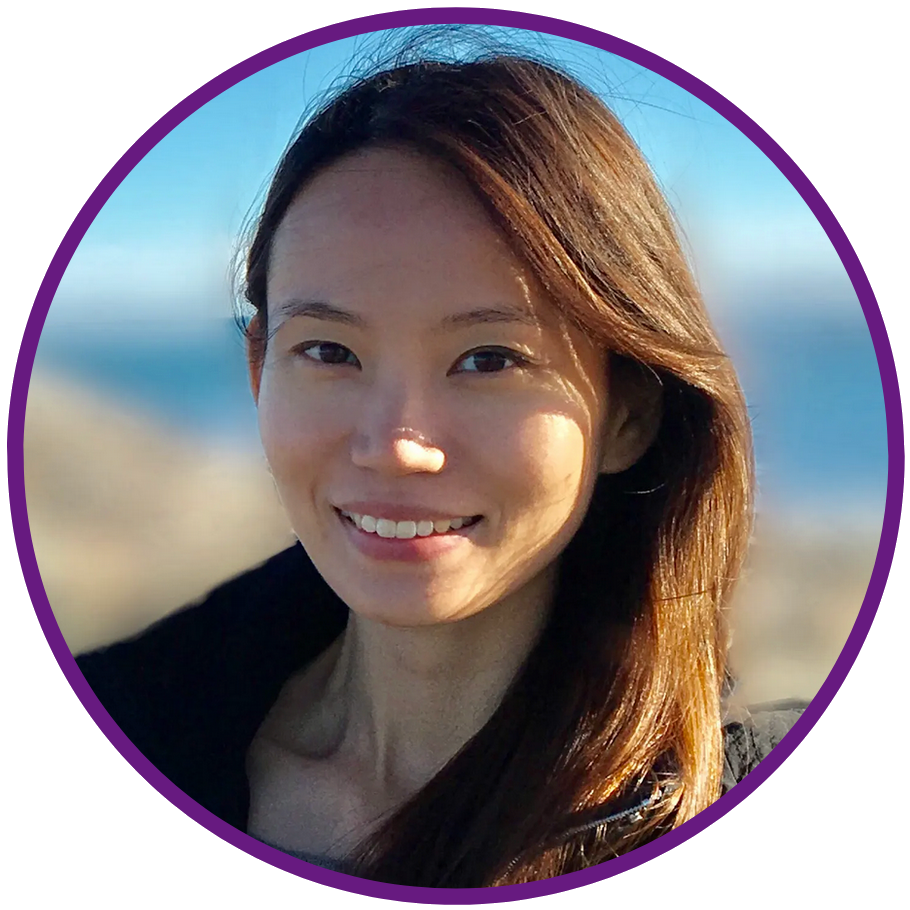
Noel Chan
PhD, NBC-HWC
Noel Chan
PhD, NBC-HWC
Noel Chan is a national board-certified health and wellness coach and coach educator who has trained more than 400 aspiring coaches in the Headspace Training Institute's NBHWC-approved Mental Health Coach Training Program. In addition to her instructor role at Headspace, she founded her own coaching and mentoring practice and created The Coach's Leap, a coaching and mentorship program supporting newly certified coaches to go from feeling invisible to getting noticed and building a paid, sustainable coaching career.
Noel began her career as a medical scientist, earning her PhD at Weill Cornell Graduate School of Medical Sciences and completing an NIH-funded Postdoctoral Fellowship in Integrative Medicine at Harvard Medical School. A pivotal shift — shaped by her own experiences with caregiving, grief, and loss — led her from research to health coaching. That lived experience brings together the evidence-based foundations of her scientific training with the emotional depth, relational presence, and human nuance that real transformation requires.
Noel is passionate about supporting coaches through the "in-between phase" — the stretch between completing training and fully owning the health coach identity — helping them build a coaching presence that gets noticed and lasts.
When she's not working, you'll find Noel exploring the ocean, hiking with her family, and embracing every adventure with her husband, daughter, and husky.
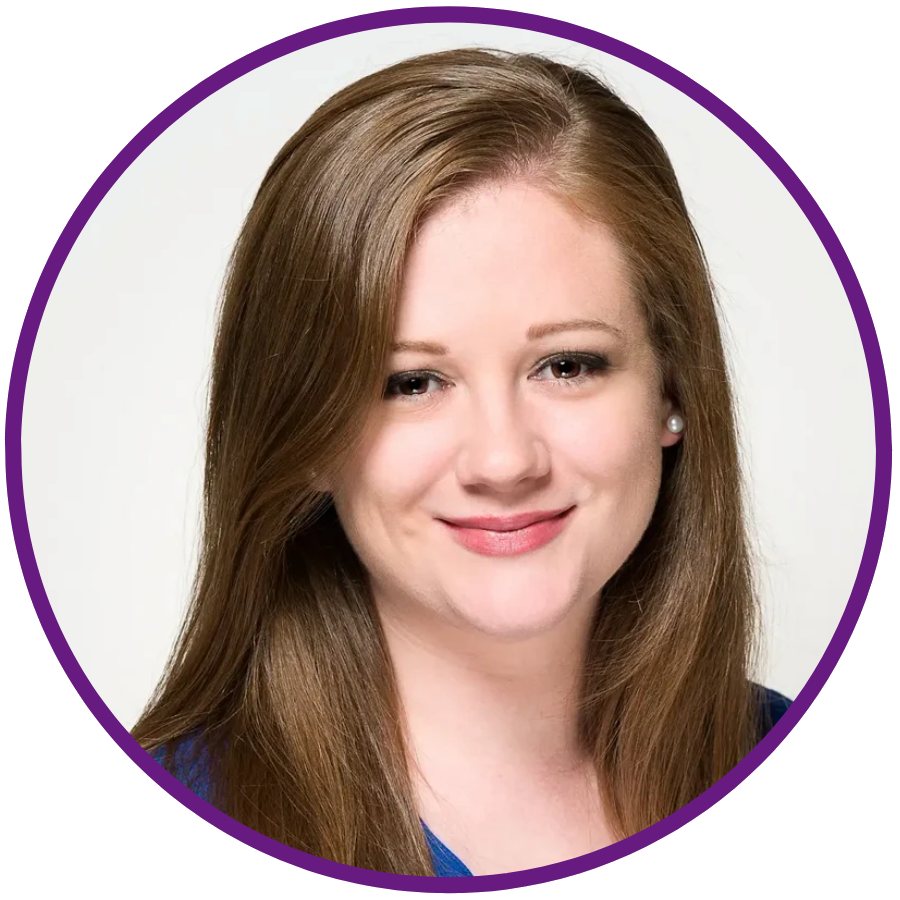
Brittany Kowalski
MS, ATC, NBC-HWC
Brittany Kowalski
MS, ATC, NBC-HWC
Brittany Kowalski is a National Board Certified Health & Wellness Coach (NBC-HWC). Originally drawn to sports medicine, Brittany's passion for prevention and behavior change led her to build a career helping individuals and organizations improve health outcomes through evidence-based coaching.
Throughout her career, Brittany has worked across diverse areas of health promotion, including diabetes lifestyle coaching, mental health initiatives, and chronic disease prevention programs. She has also played a key role in developing and implementing health coaching programs within large healthcare systems.
Today, Brittany serves as Director of Client Success for Avidon Health, where she leads strategic client initiatives, drives implementation and retention efforts,
Elyse Wagner
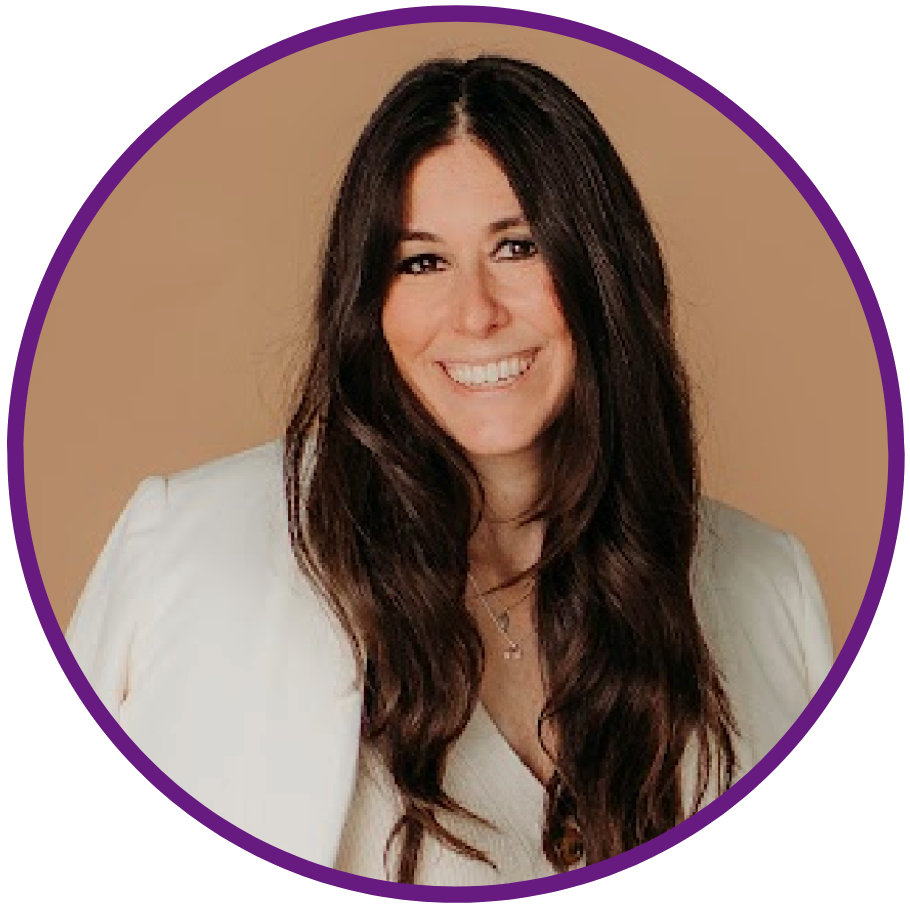
MS, CN, LMHCA
Elyse Wagner
MS, CN, LMHCA
Elyse Wagner is a speaker, educator, and business mentor helping health coaches and leaders build collaborative, credible, and sustainable careers that create meaningful change in healthcare and the world.
With more than 27 years in health and wellbeing and 15+ years in entrepreneurship, Elyse bridges behavior change, leadership, whole-person wellbeing, and healthcare transformation. She holds dual Master's degrees in Holistic Nutrition and Clinical Health Psychology and is an approved Continuing Education Provider through the National Board for Health & Wellness Coaching (NBHWC).
Elyse co-founded a health coach training academy in collaboration with the Institute for Functional Medicine and continues to partner with IFM, healthcare organizations, and industry leaders to advance collaborative, whole-person care and expand the role of health coaching across healthcare systems.
Today, through Elyse Wagner International and programs including CCCP™, her mission is to restore ownership, wholeness, and human capacity in health. Her vision is to positively impact more than 1 billion lives through whole-person health creation.
Founder & CEO, Elyse Wagner International | Creator of CCCP™, A Nourished Business Academy™ & A Nourished Life™
Susan Whitman
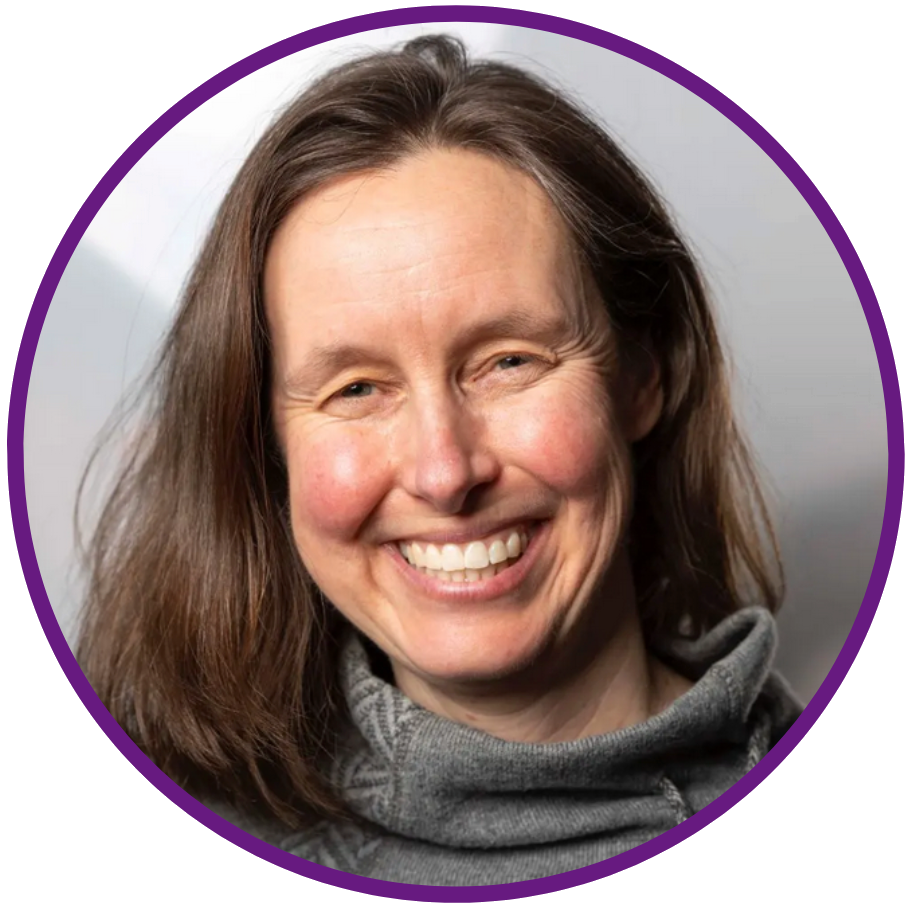
PA-C, NBC-HWC, DipACLM
Susan Whitman
PA-C, NBC-HWC, DipACLM
Susan Whitman, PA-C, NBC-HWC, DipACLM is a Clinical Assistant Professor in Integrative Health at the University of Vermont and the Health Coaching Lead for the Osher Center for Integrative Health at UVM. She teaches in the Integrative Health and Wellness Coaching program and helps lead health coaching initiatives for students, employees, and community partners. Susan has worked in health care and wellness for more than 30 years, beginning as a ski patroller and EMT before practicing as a primary care physician assistant in Vermont. Her clinical experience led her to pursue training in integrative health and wellness coaching through Duke Integrative Medicine, where she later served as faculty.
Susan is a PhD candidate in Interprofessional Health Sciences. Her dissertation work focuses on advancing health and well-being coaching as part of team-based, whole-person care through research on interprofessional collaboration, exposure to health coaching among health care professionals, and clearer integration of coaches into clinical teams.
Susan is involved nationally in efforts to strengthen training, practice standards, and clinical integration of health and well-being coaching. She serves on the Leadership Council for the Institute for Behavior Change and as Secretary for the Academy for Behavior Change. She is a member of the health and wellness coaching member interest groups at the American College of Lifestyle Medicine and the Academic Consortium for Integrative Medicine & Health. She has presented nationally and published on the integration of coaching into clinical care, and in 2024 she received the “Raising the Bar” award from The Health and Well-being Coaching Conference.
Moderator:
Tasha Edwards
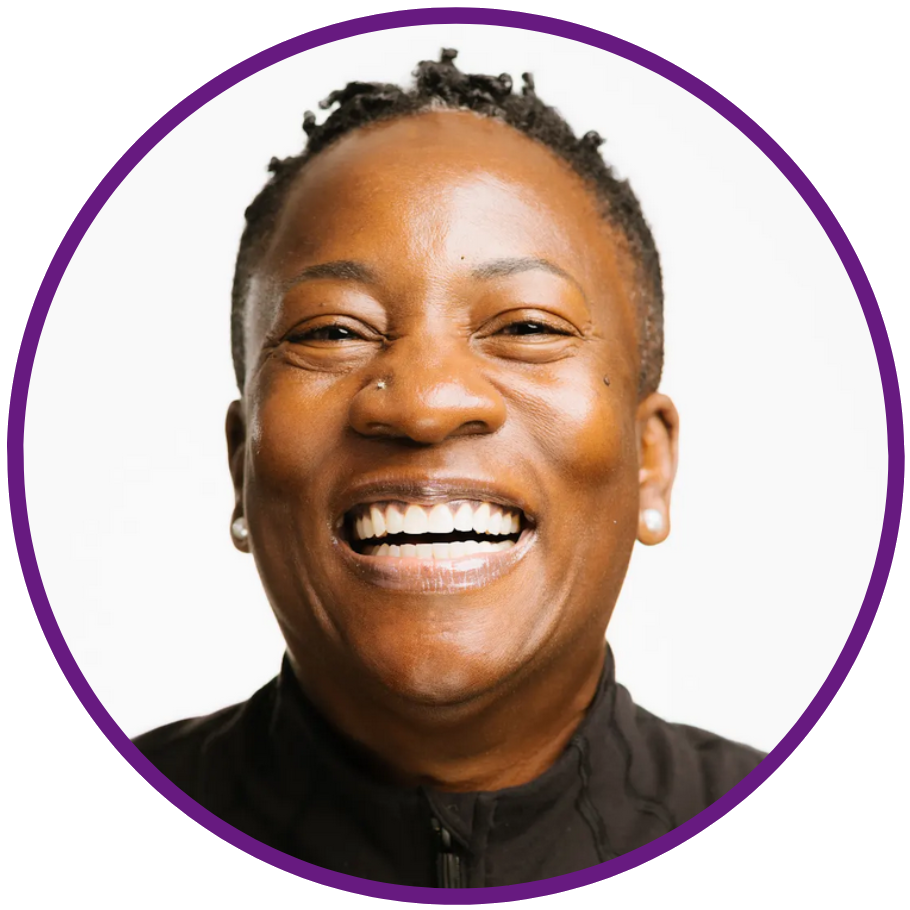
MS, NBC-HWC
Tasha Edwards
MS, NBC-HWC
Tasha Edwards is a national board certified health and wellness coach (NBC-HWC), movement leader, speaker, educator, and community advocate whose work centers on creating greater inclusion and access in the wellness space. She currently serves as a full time health coach with Twin Health, a health tech company with a focus on metabolic health.
Tasha holds a master’s degree in counseling and certifications not only in health coaching, but also in personal training, yoga, Pilates, and meditation. She has dedicated her career to helping people navigate personal growth, behavior change, wellness, leadership development and life transitions. Her multidisciplinary background allows her to bridge the worlds of health, wellness, human development, and social change in ways that are both practical and transformative.
A presenter at international conferences and community events, Tasha speaks on the importance of building systems, programs, and cultures that expand access and foster belonging. She challenges audiences to rethink traditional approaches to wellness, coaching, and leadership by examining the barriers that prevent people from fully participating and thriving.
Through her engaging, thought-provoking, and compassionate approach, Tasha inspires people to move beyond awareness and toward action—creating meaningful change that makes growth, wellness, and success more accessible for everyone.
Interest in health and well-being coaching continues to grow across sectors and around the world. But what does it really take for coaches to cultivate a sustainable and successful career in a continually evolving profession?
In this candid conversation, a panel of experienced coaches and leaders will share insights on the rapidly changing landscape and diverse pathways within the profession. Drawing from real-world experiences, panelists will offer insights and perspectives as to the skills, competencies, and actionable steps that support professional success. Whether you are new to the field, seeking to advance your career, or ready to explore new opportunities, this session will provide practical guidance to help you propel forward in your professional pursuits.
Learning objectives:
- Explore diverse professional pathways within the field of health and well-being coaching.
- Discuss the skills, competencies, and experiences that support a successful and sustainable coaching career.
- Examine challenges, trends, and emerging opportunities for health and well-being coaches as the profession continues to expand and evolve.
Virtual Post-Conference Sessions
Where Science Meets Self-Care and AI Meets Joy:
Reclaiming Time, Purpose, and Well-Being in Coaching and Clinical Practice
September 29: 12:00 pm to 1:15 pm PDT
Speaker:
Tiffani Bell Washington
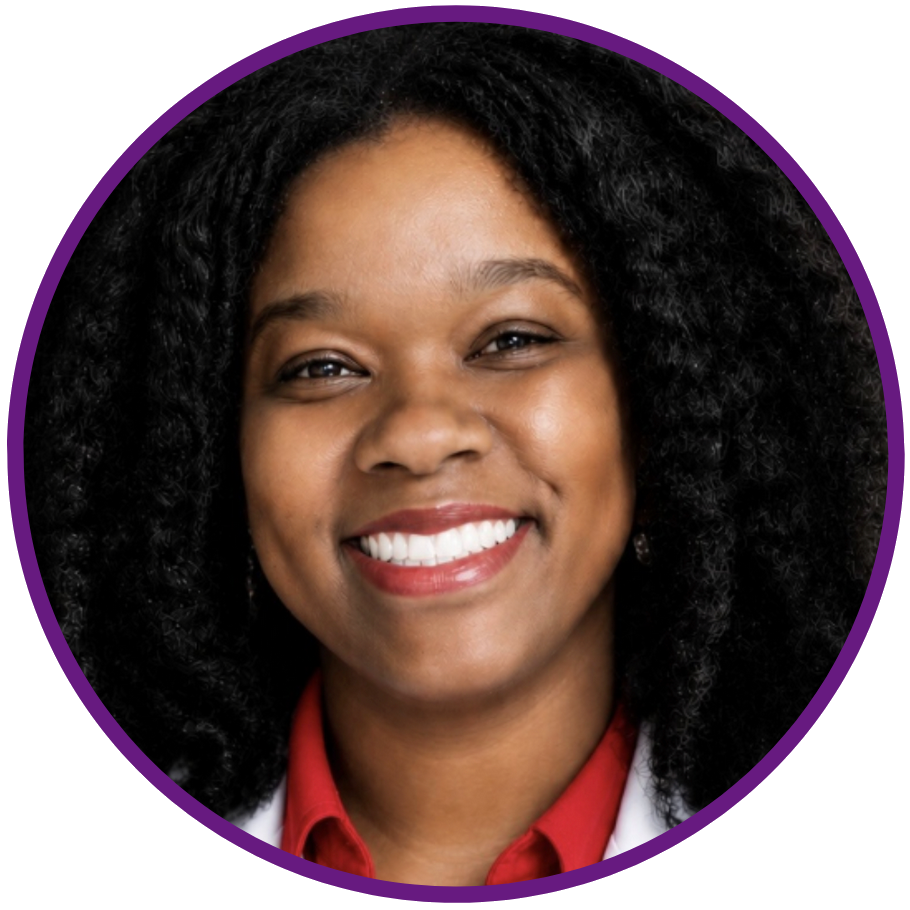
MD, MPH, MBA
Tiffani Bell Washington
MD, MPH, MBA
Dr. Tiffani Bell Washington is a quadruple board-certified physician, entrepreneur, educator, and AI wellness consultant specializing in psychiatry, child and adolescent psychiatry, obesity medicine, and lifestyle medicine. She holds an MPH from Harvard and an MBA from Yale and is passionate about helping professionals live, lead, and work in ways that are healthy, joyful, and sustainable.
Dr. Bell Washington is the founder of The Healthy Weigh MD, a concierge psychiatry, obesity, and lifestyle medicine practice, and JoyFlow AI Solutions, where she helps clinicians, coaches, entrepreneurs, and leaders use AI to reclaim time, reduce burnout, and build aligned, purpose-driven systems. Her work sits at the intersection of mental wellness, lifestyle medicine, self-care, behavior change, and practical AI-powered productivity.
Through her speaking, coaching, consulting, and educational programs, Dr. Bell Washington equips professionals with tools to create more space for clarity, creativity, service, and joy. Her guiding message is: Joy is medicine — prescribe it daily.
Health and wellness coaches and clinicians are called to support others through change, but many professionals are navigating their own challenges with burnout, time pressure, administrative burden, and emotional fatigue. This practical and encouraging post-conference session will explore how AI-powered productivity tools can help coaches and clinicians work smarter, protect their energy, and create more sustainable businesses and lives.
Grounded in lifestyle medicine, positive psychology, behavior change principles, and real-world professional experience, this session will help participants identify ways to use AI ethically and effectively for planning, communication, content creation, workflow support, reflection, and well-being. Participants will learn how to pair technology with purpose so that AI becomes a tool for clarity, creativity, and restoration rather than another source of overwhelm.
This session will offer actionable strategies, sample prompts, and reflection exercises to help professionals reclaim time, lead with joy, and design systems that support both impact and personal well-being.
Learning objectives:
- Describe how AI-powered tools can support productivity, clarity, and well-being for health and wellness coaches, clinicians, and helping professionals.
- Identify practical ways to use AI to reduce administrative burden, support communication, and create more sustainable professional workflows.
- Apply AI-informed reflection and planning strategies to support joy, purpose, burnout prevention, and healthier business or practice design.
Group Coaching In Action:
Live Demonstration and Analysis
September 30: 9:00 am to 11:00 am PDT
Speakers:
Michael Arloski
PhD, PCC, NBC-HWC
Michael Arloski
PhD, PCC, NBC-HWC
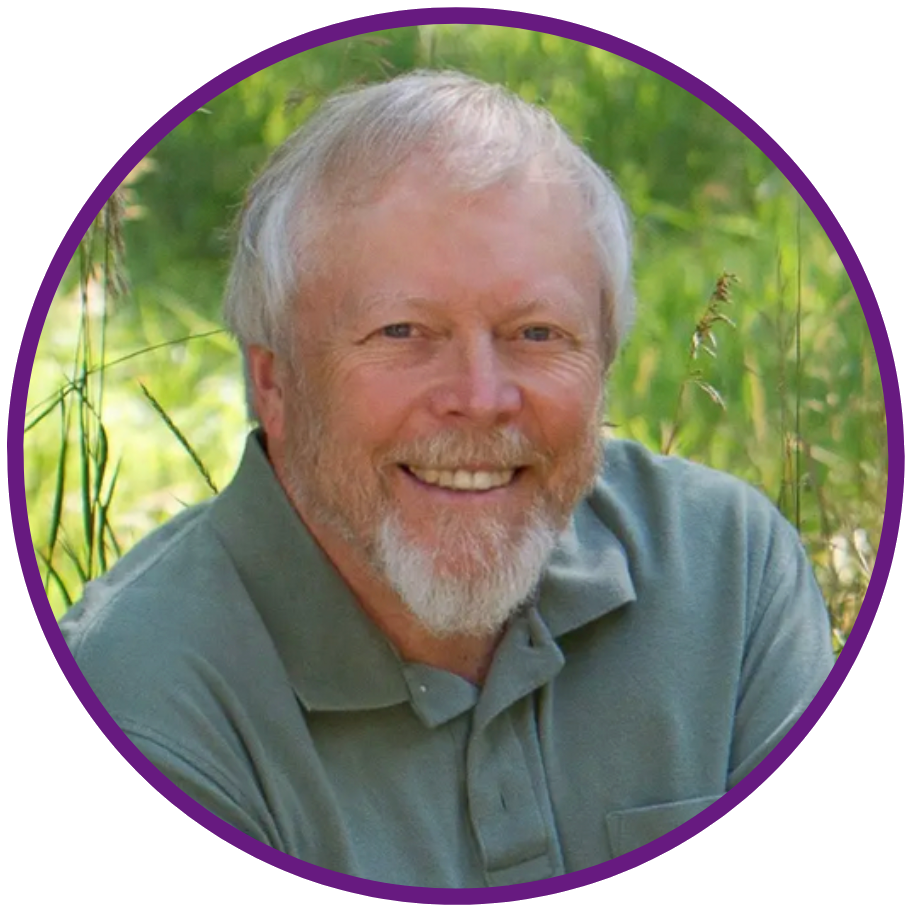
A pioneering architect of the field of health and wellness coaching, Dr. Arloski’s life’s work and passion is creating allies for a healthy world. He and his company, Real Balance Global Wellness Services, Inc., have trained thousands of coaches around the globe. A psychologist with over twenty-five years of clinical work and professional contribution to the field of wellness and health promotion for decades, he is a founding board member of the National Board for Health & Wellness Coaching (NBHWC), and is now a Board Member Emeritus.
Dr. Arloski is the author of Wellness Coaching for Lasting Lifestyle Change, 2nd Ed., the foundational book of the field (available in both English and Mandarin), and Masterful Health & Wellness Coaching: Deepening Your Craft. His leadership history includes being Past President of The Ohio Society for Behavioral Health & Biofeedback, The Colorado College Counselors Association, and President of the Board of Directors of the National Wellness Institute.
An avid outdoorsman and forty year practitioner of Tai Chi, he and his wife, Deborah, live, work, dance, and play in Northern Colorado.
Group health and wellness coaching is increasing in popularity, but rarely do we have the opportunity to witness it in action. This interactive two hour workshop will allow coaches to observe a group of clients being coached in real time by a veteran health and well-being coach. Throughout the group coaching process there will be periodic breaks for analytic discussion by attendees with both the coach and the clients. This will allow for deeper understanding of the methods and techniques used by the coach and the rationales for their use. Feedback from the clients will also provide insight into the effect that the coach’s work had with them, both individually and collectively.
Learning objectives:
- Observe group health and wellness coaching skills in practice, to include effective questioning and reflecting listening.
- Analyze the coach’s decision-making process and rationale for selecting specific coaching skills and techniques in a group dynamic.
- Evaluate the impact of coaching approaches through direct observation and collective feedback.
Coaching Business Reset:
Intentional Strategies for Today’s Coach
October 1: 12:30pm to 4:00 pm PDT
Speakers:
Jennifer Britton
MES, PCC
Jennifer Britton
MES, PCC
Jennifer Britton is a pioneer in the field of group and team coaching and an award-winning business coach. For more than 20 years she has supported coaches, solopreneurs, and organizations in building stronger businesses, teams, and results.
She is the founder of the Coaching Biz Growth Lab™ and AMPLIFY – The Coaching Biz Mastermind, two group coaching programs where coaches gain clarity, accountability, and momentum in their business development. Jennifer is also the author of several widely used resources, including Coaching Business Builder: Putting the Pieces Together, a workbook-planner designed specifically for coaches, and From One to Many: Best Practices for Team and Group Coaching, which has become a go-to reference for group coaching practitioners worldwide.
Her upcoming book, Flow, Flex, and Scale: The 9-Box Model of Coach and Solopreneurial Growth, expands on her practical frameworks to give business owners a roadmap for aligning with their strengths (Flow), adapting with agility (Flex), and scaling for greater impact (Scale). She also hosts the Coaching Many Podcast, where she explores the art and business of coaching groups, teams, and communities.
Since 2004, Jennifer has worked with thousands of business owners, leaders and teams globally, helping them navigate change, collaboration, and growth. A fun fact: she is a Guinness World Record holder for the most people creating a vision board in a virtual meeting room — a reflection of her creativity and passion for experiential learning.
Through her writing, programs, and podcasting, Jennifer continues to champion coaches, solopreneurs, and teams in creating sustainable success with focus, creativity, and impact.
Today’s coaching landscape is changing rapidly. Economic uncertainty, shifting client expectations, AI, and evolving ways of working are prompting many coaches to rethink how they grow their business, expand their impact, and create sustainable momentum.
In this practical and interactive 3.5-hour session, Jennifer Britton explores intentional strategies that help coaches strengthen their business foundations, diversify offerings, and scale their work in meaningful ways. Drawing on insights from her recently published book, Flow Flex Scale, Jennifer will share practical tools, frameworks, and examples coaches can apply immediately to today’s evolving marketplace.
Participants will explore:
- Multiple streams of income for coaches
- Expanding beyond one-to-one coaching
- Group coaching as a scalable offering
- Creating offers, programs, and learning experiences
- Visibility and relationship-building strategies
- Simplifying systems and workflows
- Practical approaches for navigating today’s economy
This highly interactive session will include reflection activities, implementation exercises, coaching conversations, and practical planning tools. Participants will leave with fresh ideas, actionable strategies and more energy around their business.
Bonus Session
The Aligned Practitioner: Integrate Mindset, Energy, and Resonant Marketing to Build a Thriving Coaching Practice
October 8: 10:00 am to 12:00 pm PDT
Speakers:
Robert Notter
Robert Notter
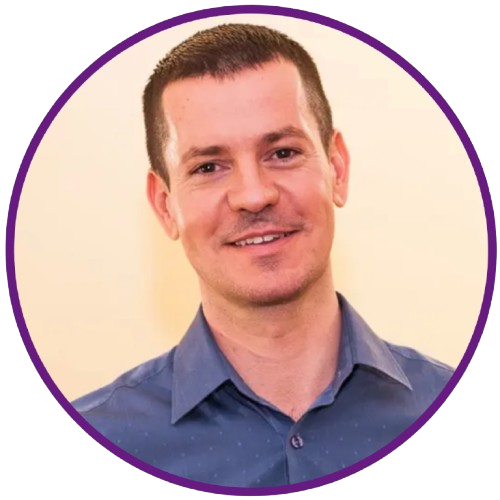
Robert Notter is a marketing and mindset coach who has spent more than 20 years helping clients build authentic, profitable practices that are a unique expression of who they are. In 2003, Robert left a successful corporate career to become a health coach. Since launching his own practice, Robert has worked with more than 160,000 practitioners and played a key role in the development and expansion of the health coaching field, both in the United States and internationally.
Robert holds a Bachelor of Science in Marketing and currently serves as the USA Ambassador for the UK & International Health Coaching Association (UKIHCA). For 10 years, he created and led the Marketing Education Program at the Institute for Integrative Nutrition (IIN), where he helped shape the marketing education of thousands of health coaches. He has also taught and presented for numerous other schools, organizations and coach training programs, including the Functional Medicine Coaching Academy, Integrative & Personalised Medicine Congress, Health Coaches Academy, School of Applied Functional Medicine, Swedish Institute College of Health Sciences, International Institute of Nutrition and Health, and the School of Integrative Health at Notre Dame of Maryland University. His unique approach blends marketing strategy with neuroscience and deeper quantum principles.
Building a successful coaching practice requires more than learning marketing techniques or following a standard blueprint. Lasting success occurs when your mindset, energy, authentic identity, messaging, and business strategy are fully aligned.
In this interactive 2-hour workshop, explore how neuroscience principles and human behavior influence confidence, decision-making, client relationships, and business growth. Participants will learn how to overcome the internal barriers that limit success while simultaneously building a practical framework for consistently attracting ideal clients, developing trust, and creating sustainable enrollments.
Rather than viewing personal development and business growth as separate, participants will learn how they work together to create a thriving and impactful practice that genuinely reflects who they are.
During this immersive workshop, participants will discover how to:
- Create a business that is a true expression of who you are, where your mindset, message, marketing, and mission all work together in alignment.
- Attract more of the right clients through authentic visibility and genuine connection instead of relying on pressure or sales tactics.
- Overcome limiting beliefs around money and pricing so you can confidently communicate your value.
- Develop emotionally compelling marketing that builds trust, inspires action, and attracts ideal clients.
- Design a practical roadmap to build a thriving practice with clarity, purpose, and consistent growth.
QUICK NAVIGATION

Be in the Know!
If you haven’t already, be sure to sign up below to get the latest news on our one-of-a-kind conference experience